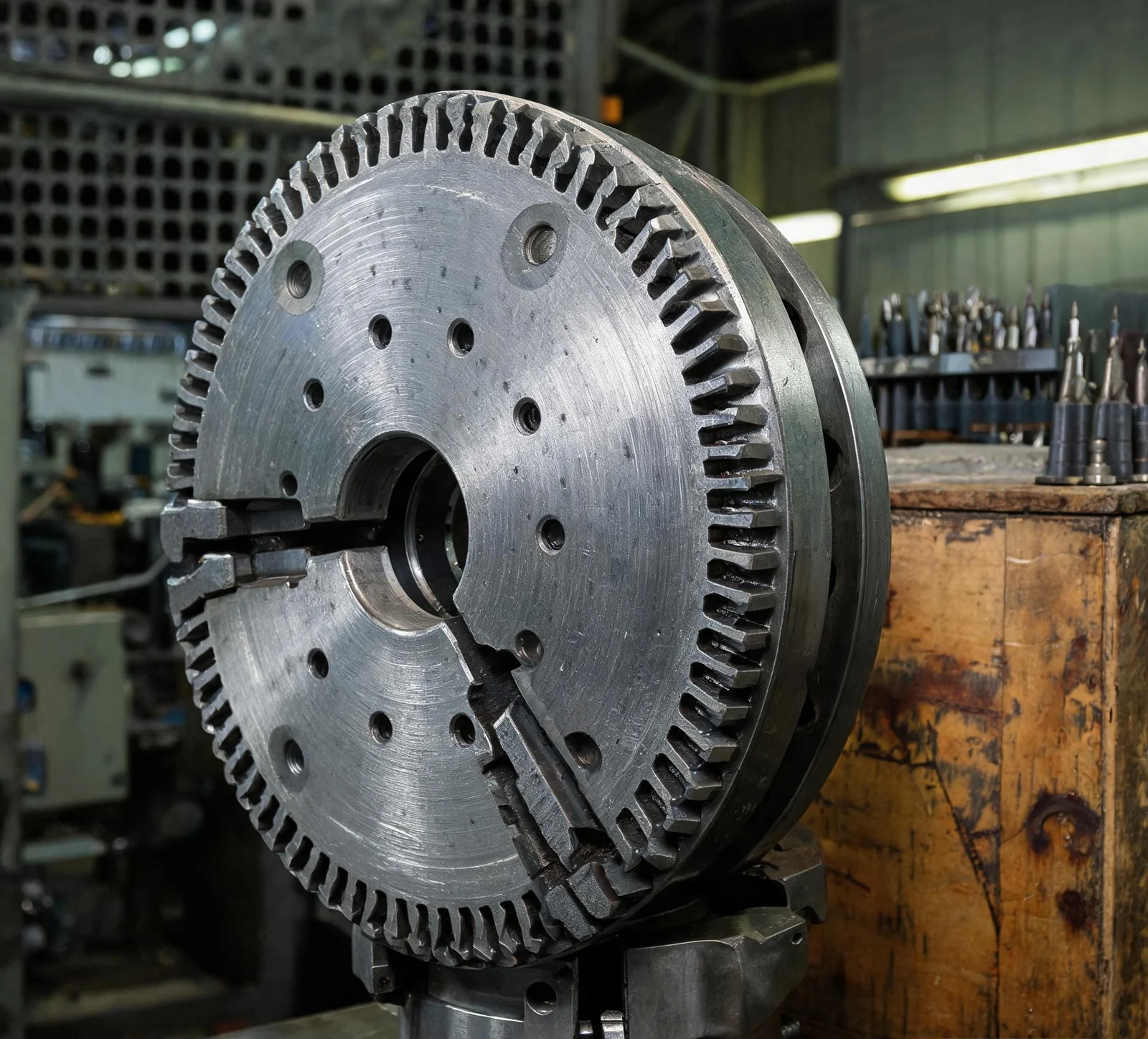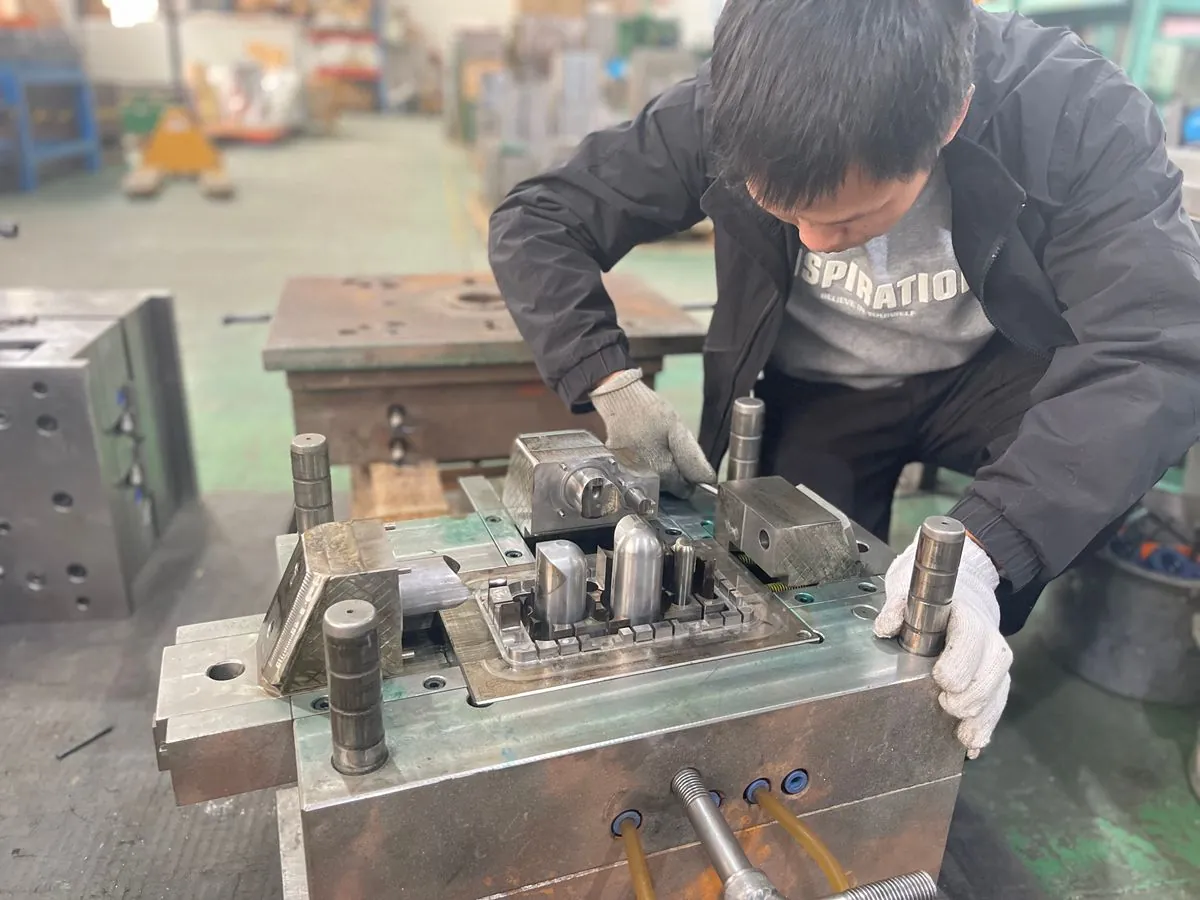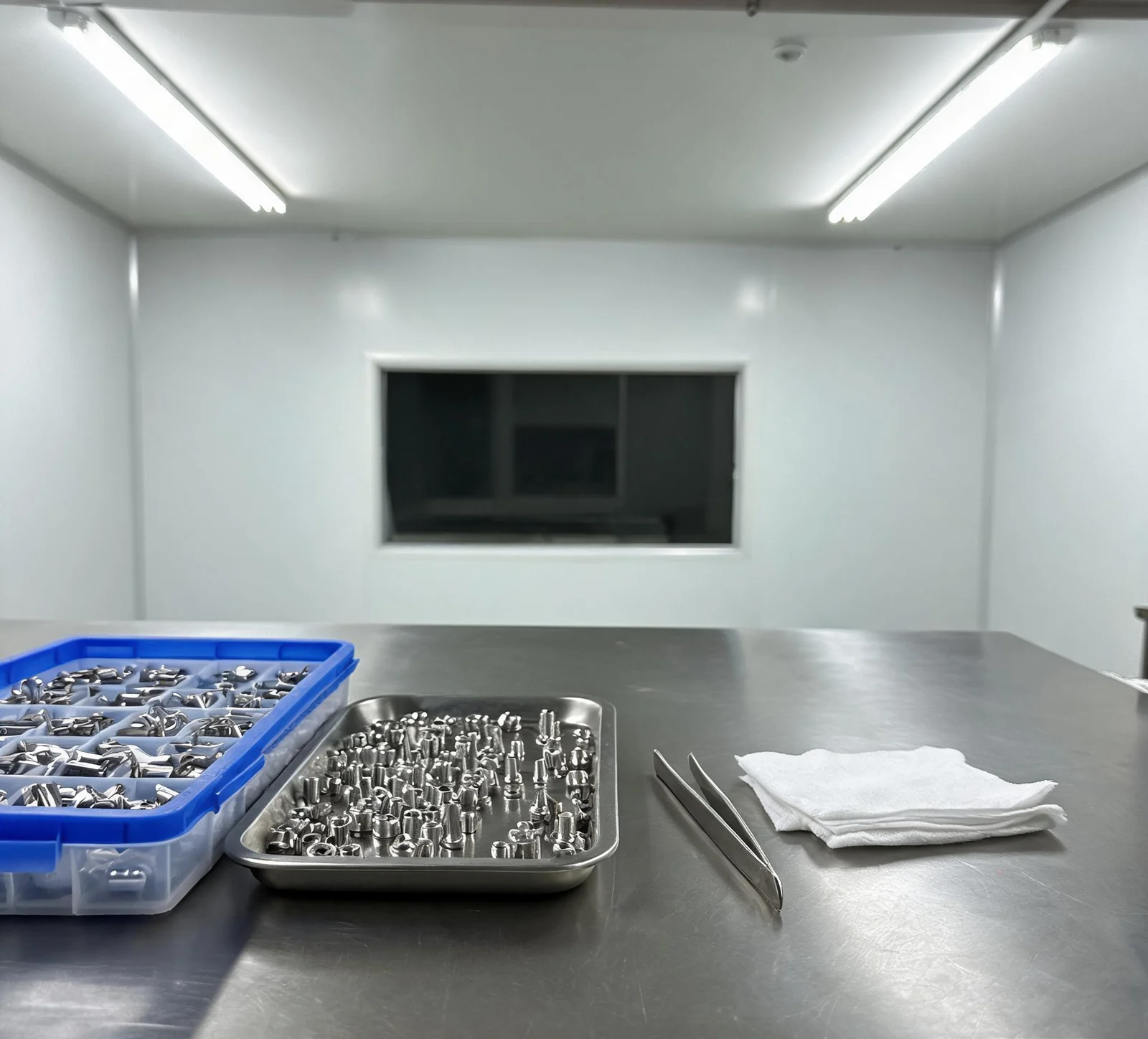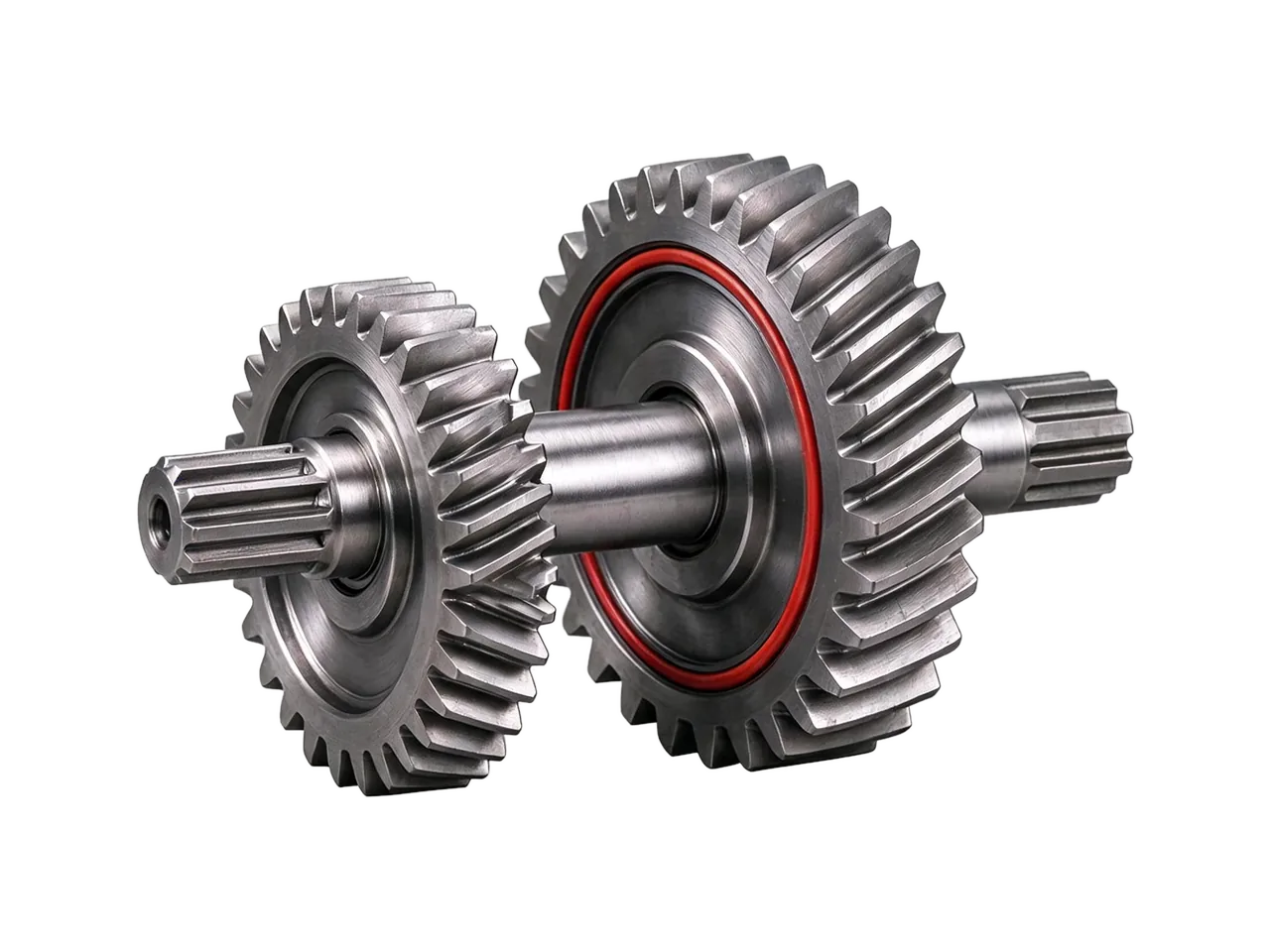








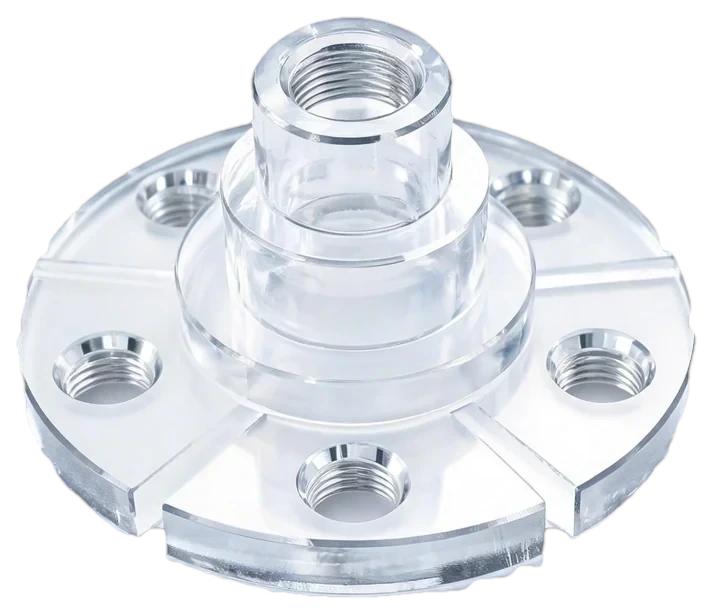
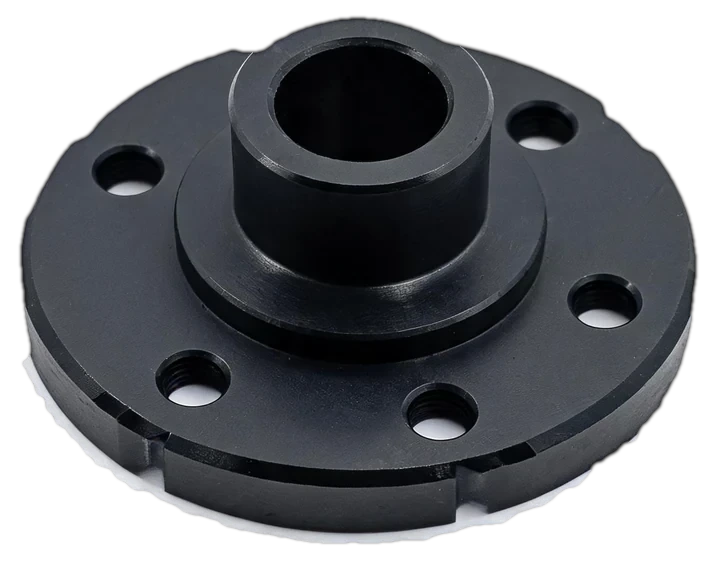
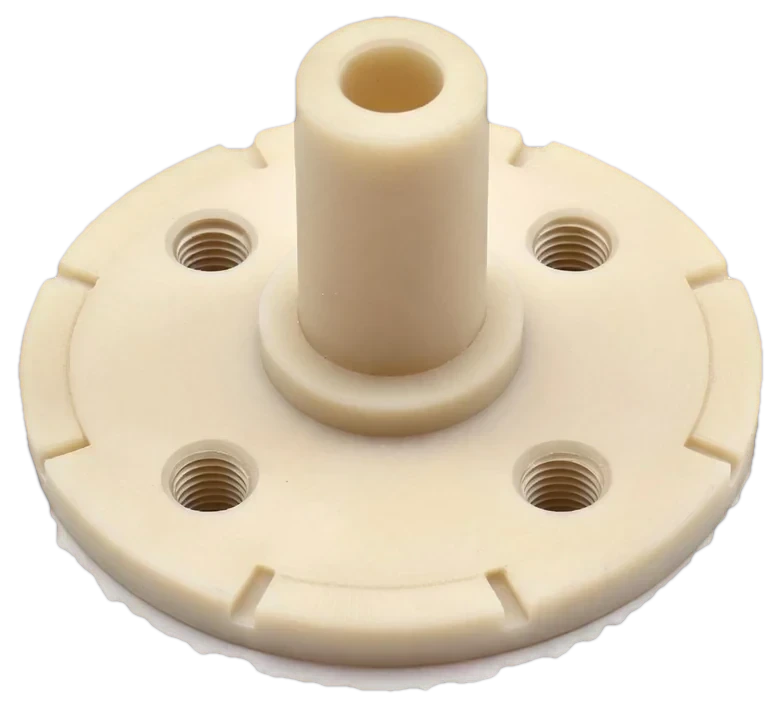
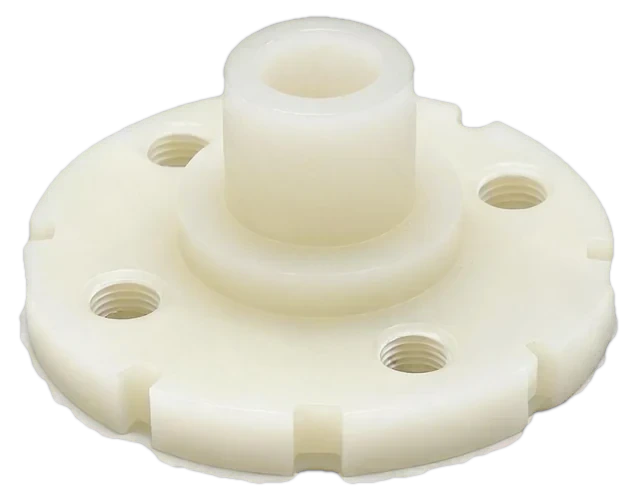
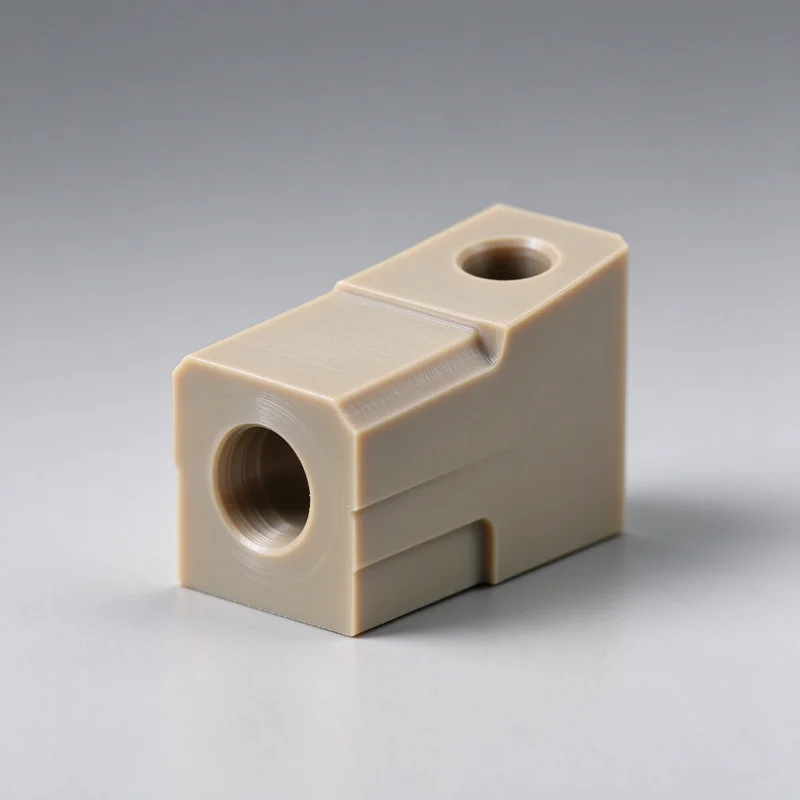
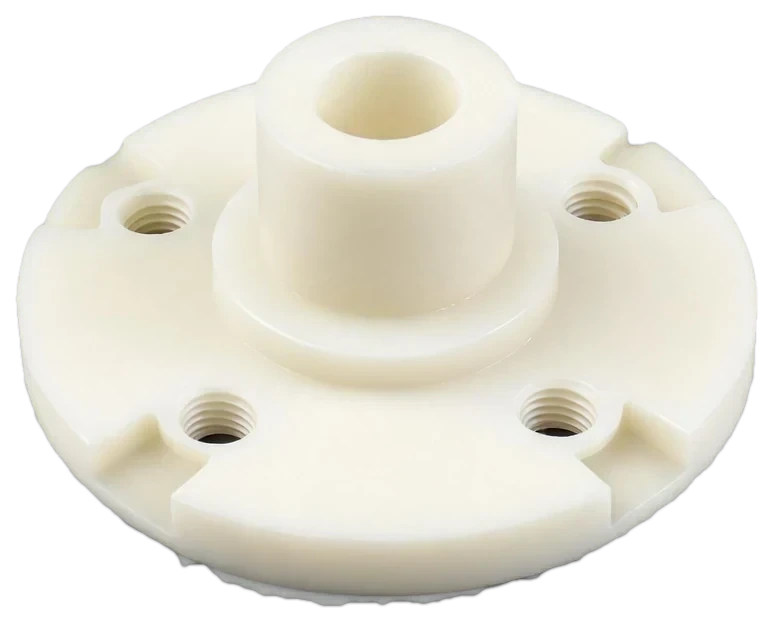
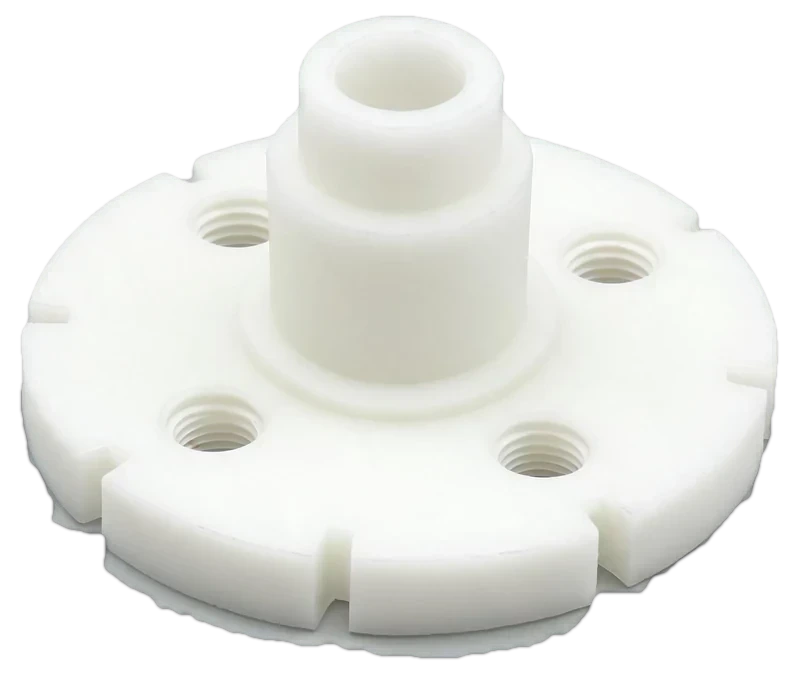
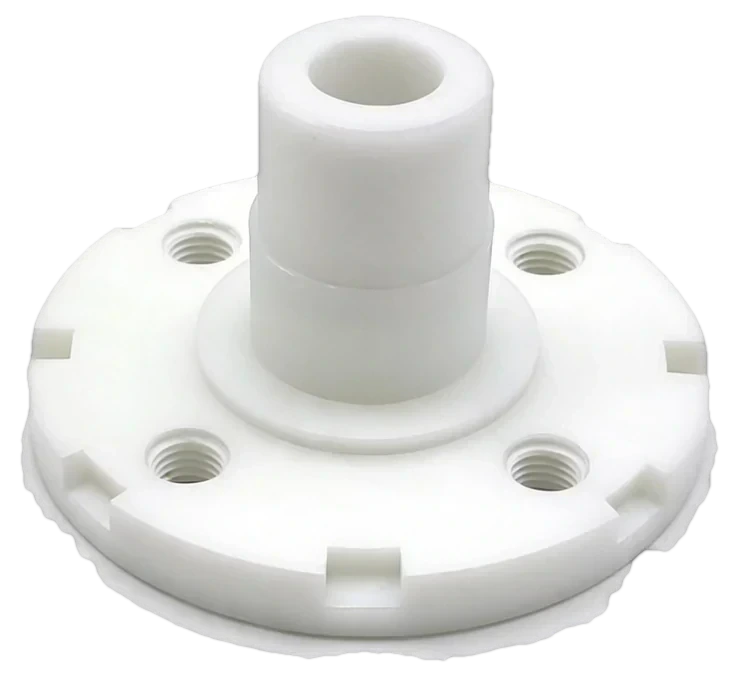
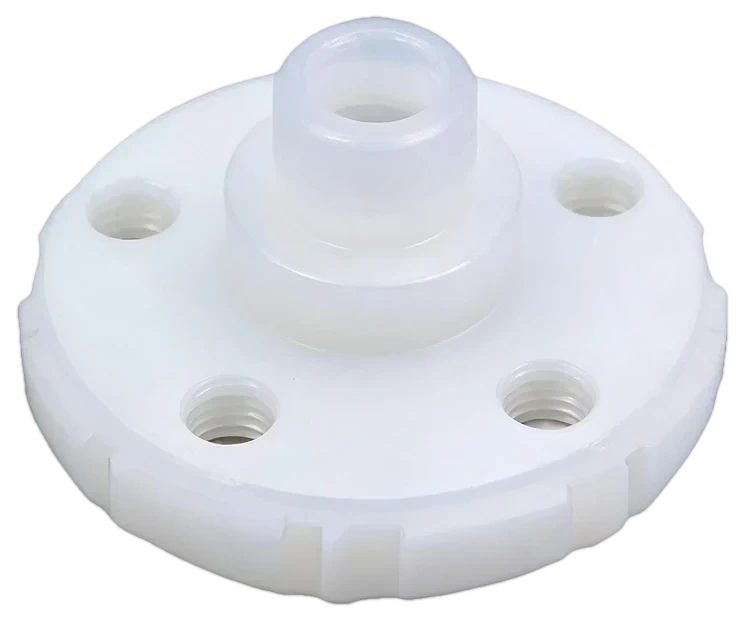
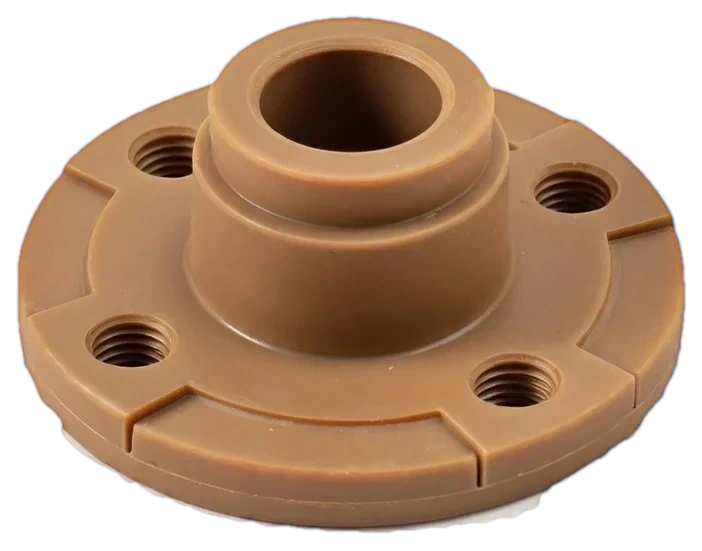
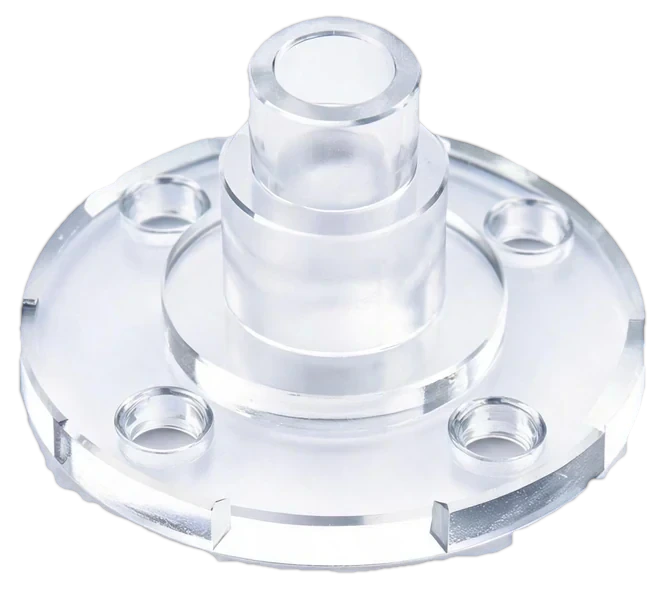
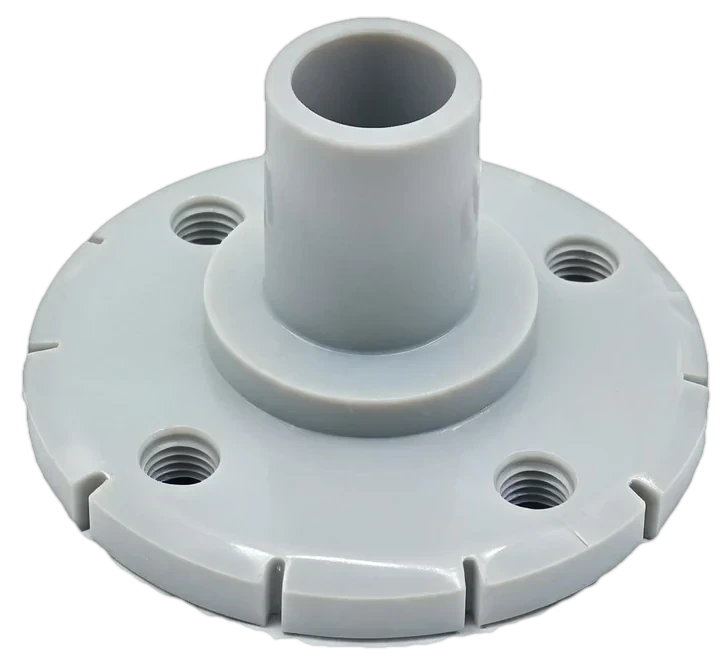
Online Custom CNC Milling Services

  • Instant Quote with Free DFM Analysis
  • High-Precision Machining to ±0.005 mm (±0.0002")
  • On-Demand Prototype & Production
  • Fast Lead Times from 1 Day
  • Global Shipping from China
Free DFM Analysis · Quote in Hours

Start a New CNC Milling Project!

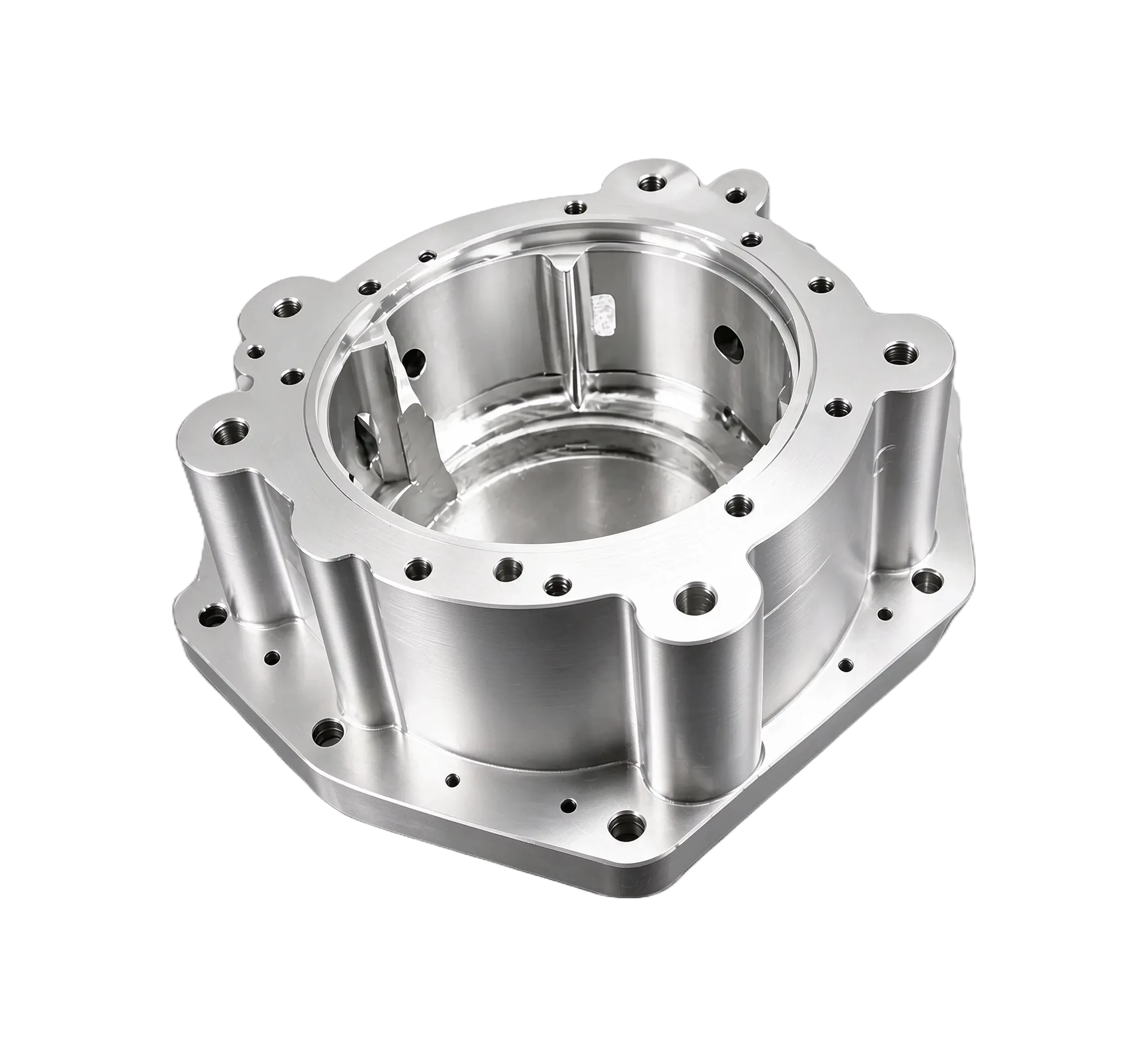
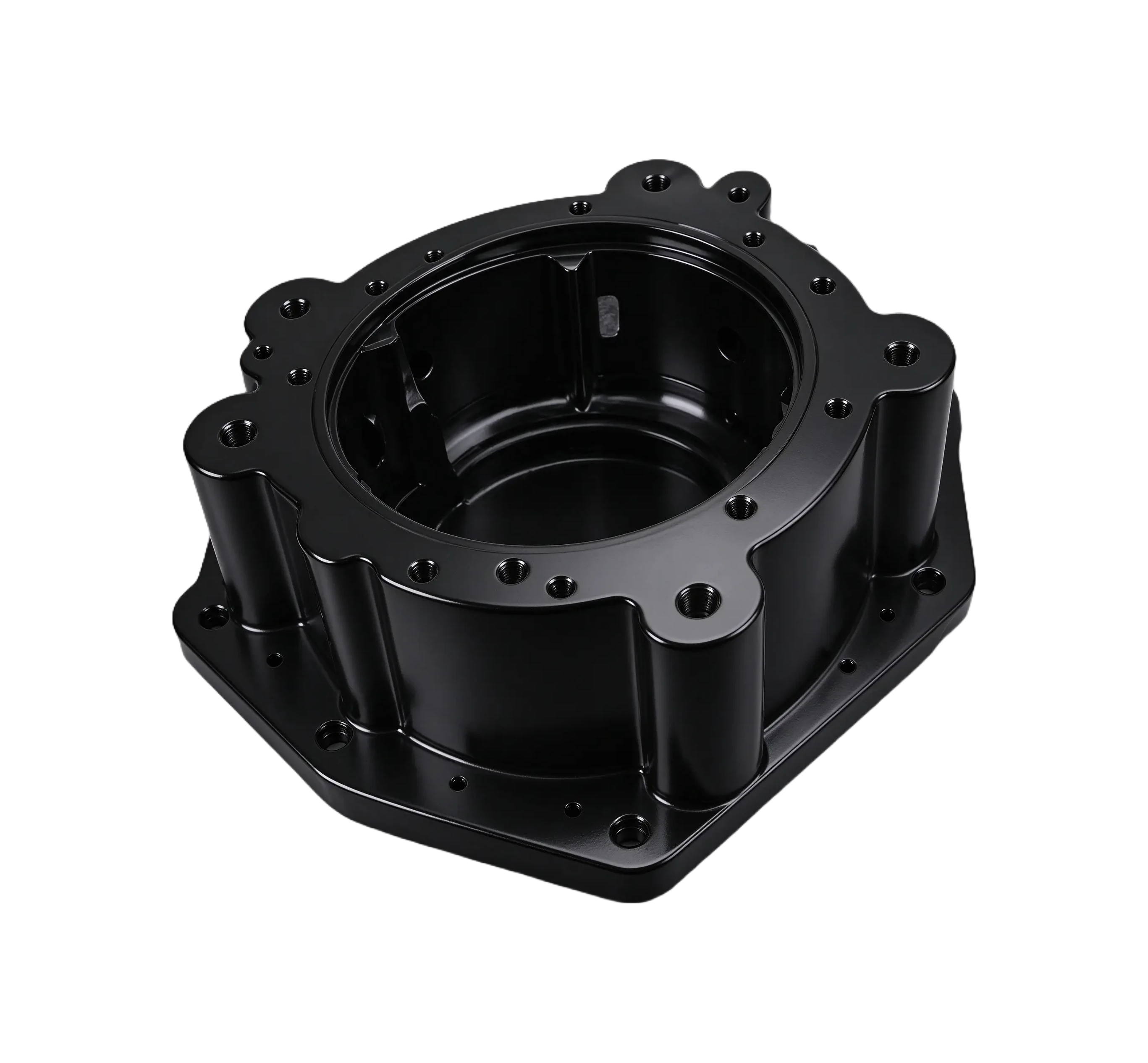
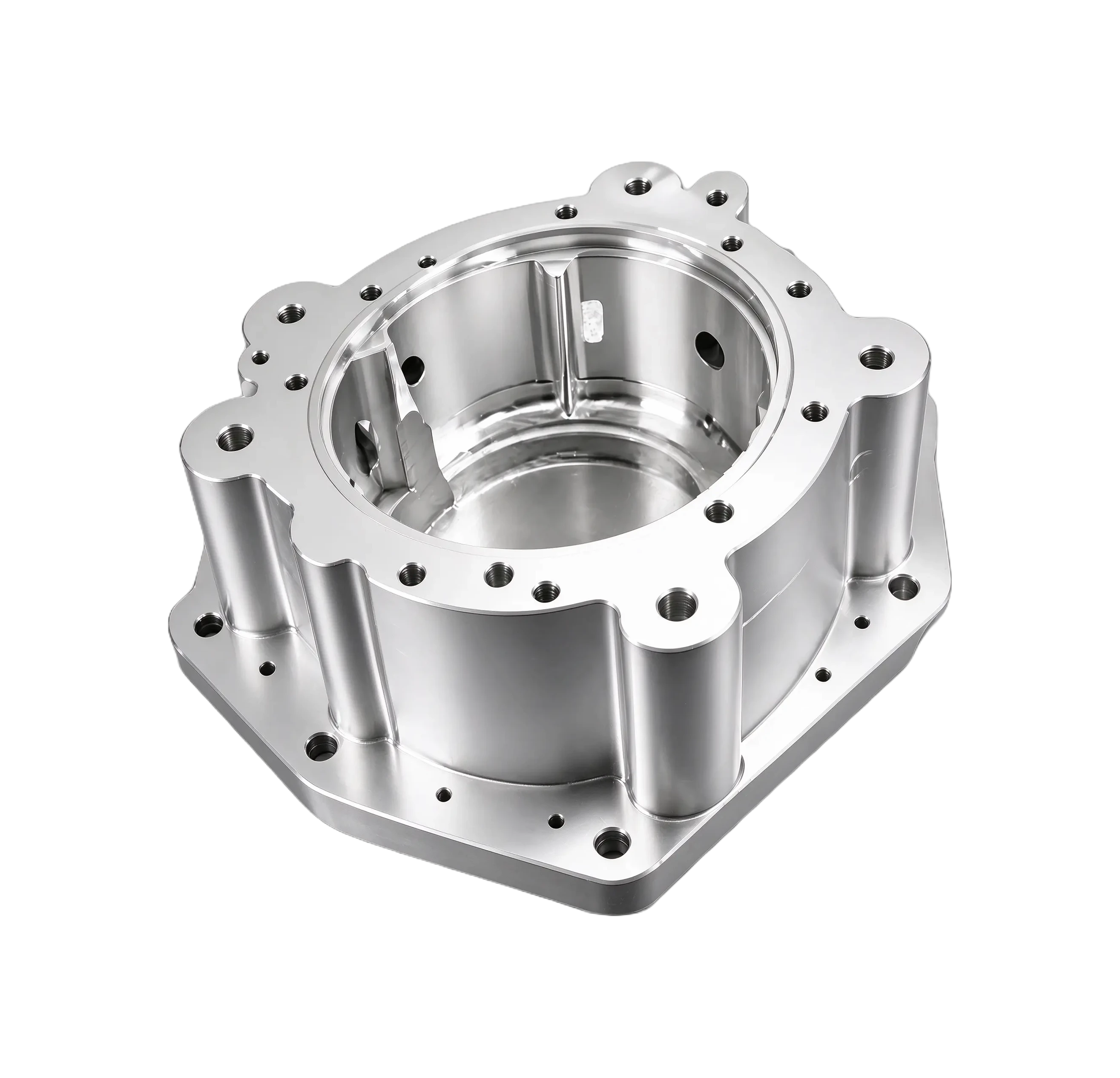
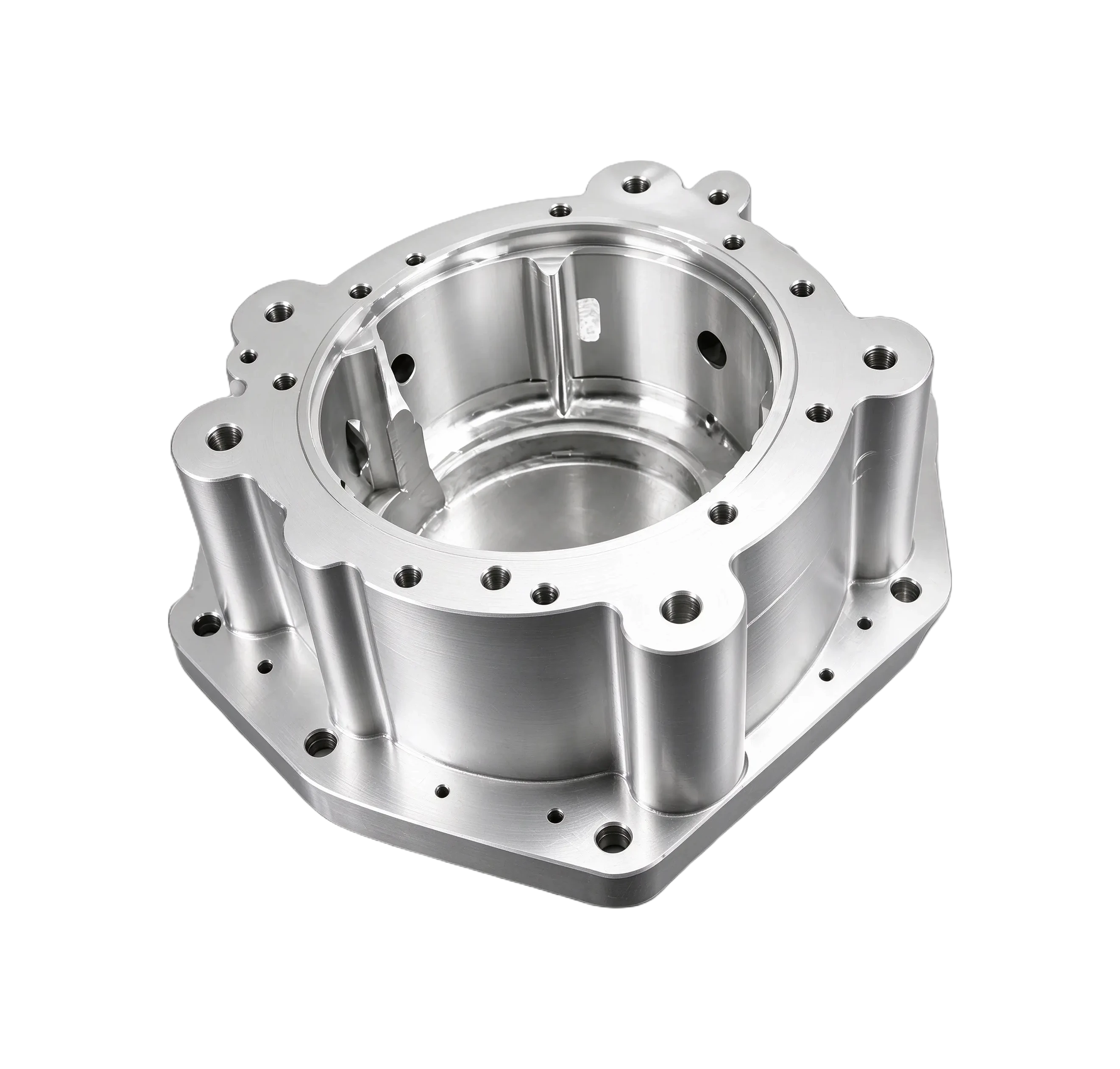
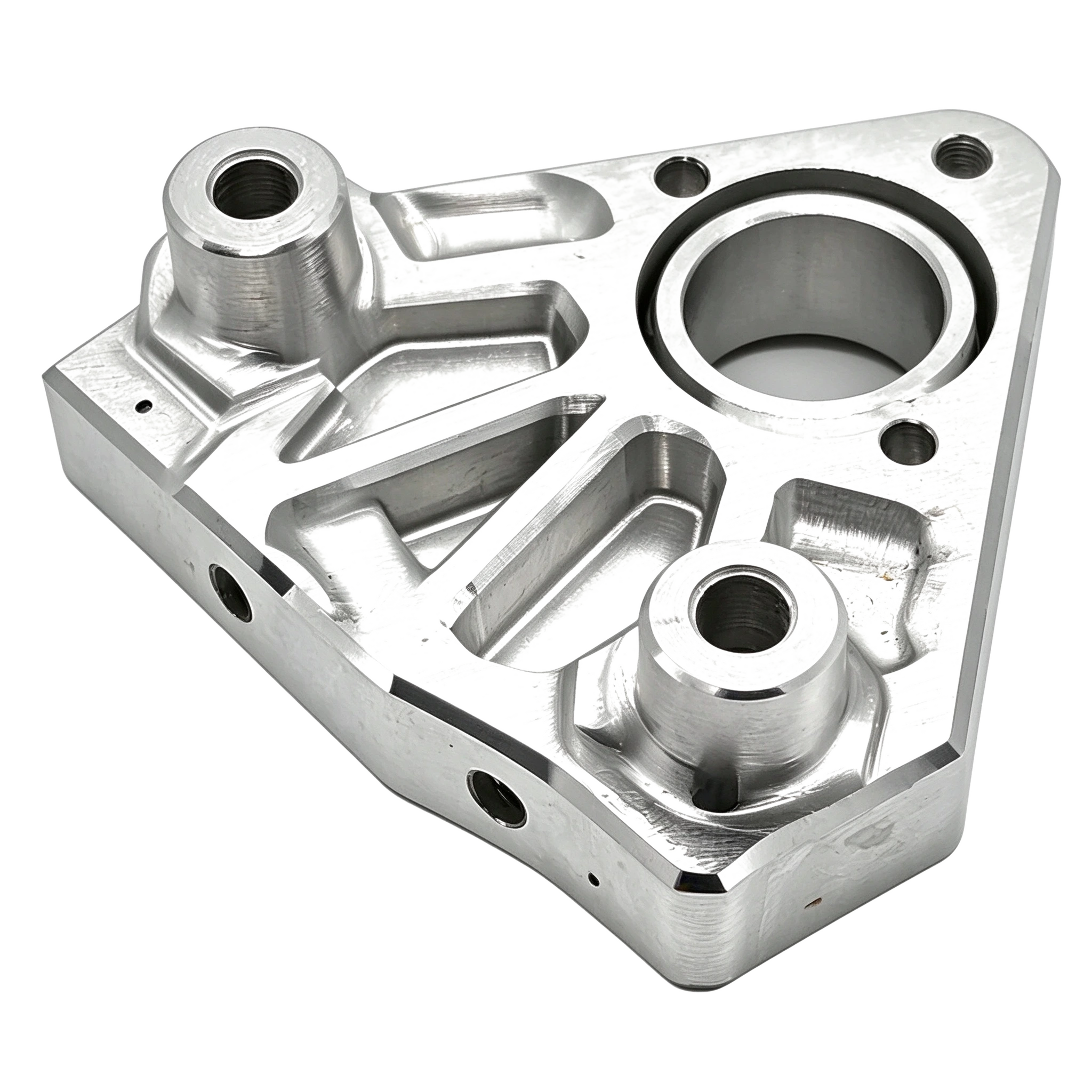
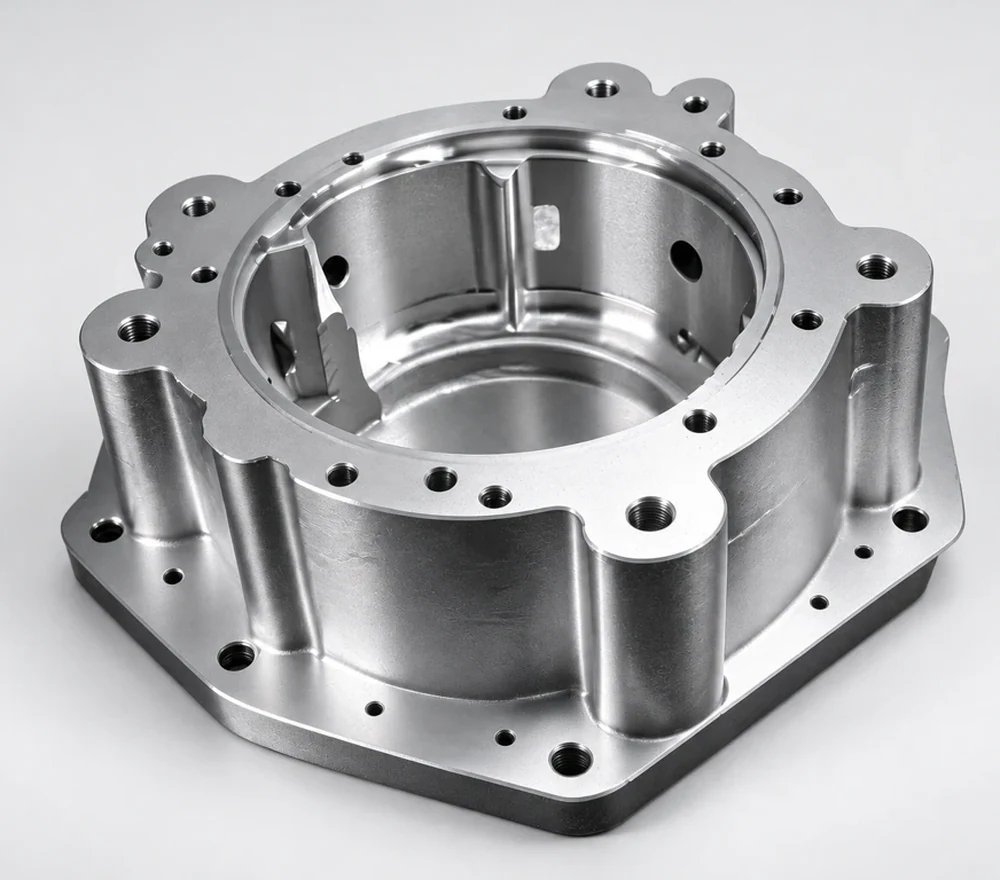
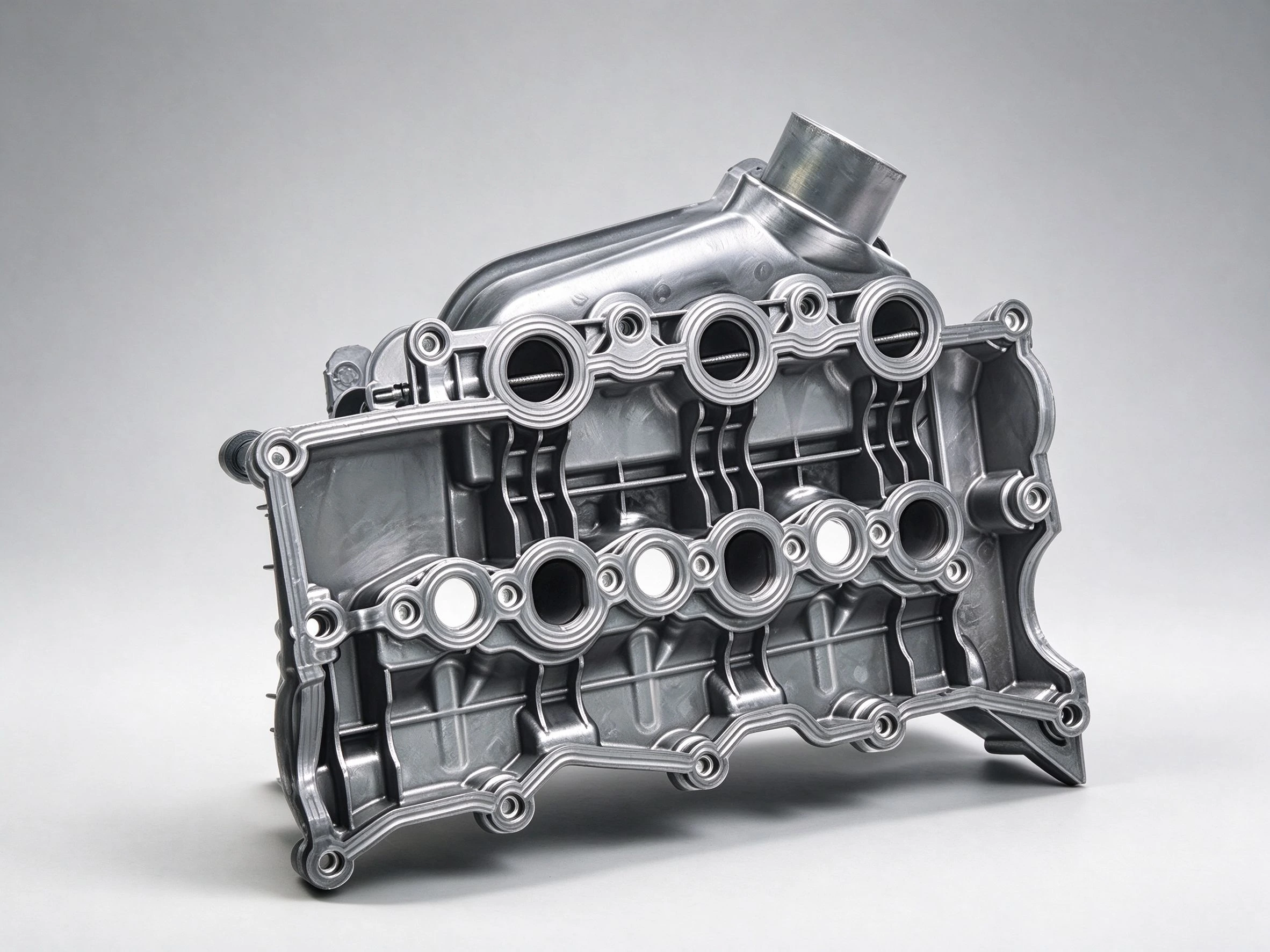
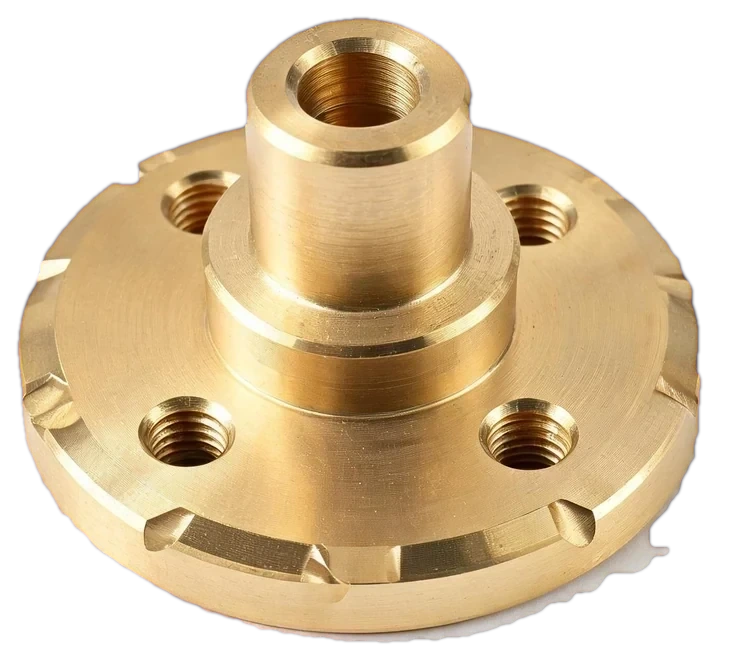
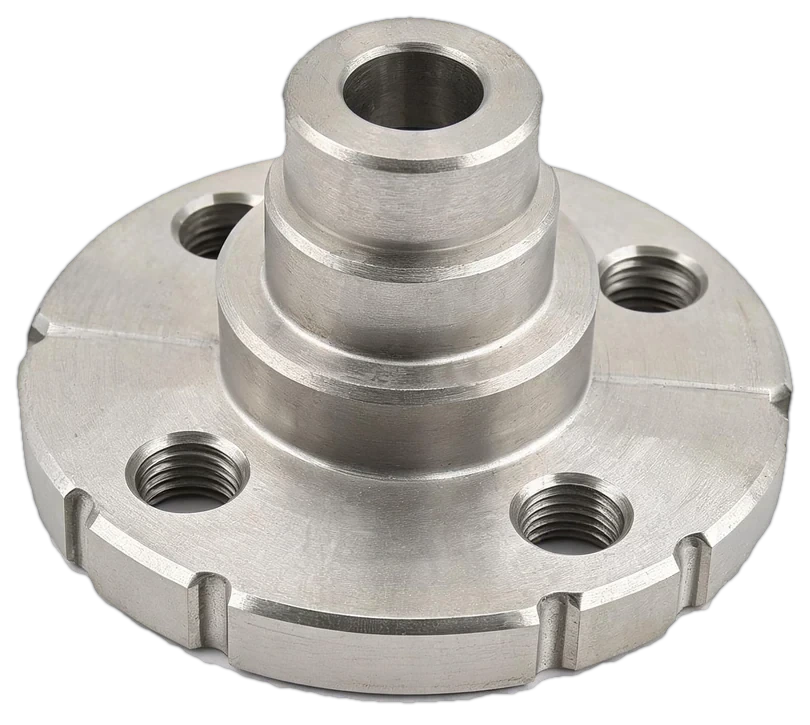
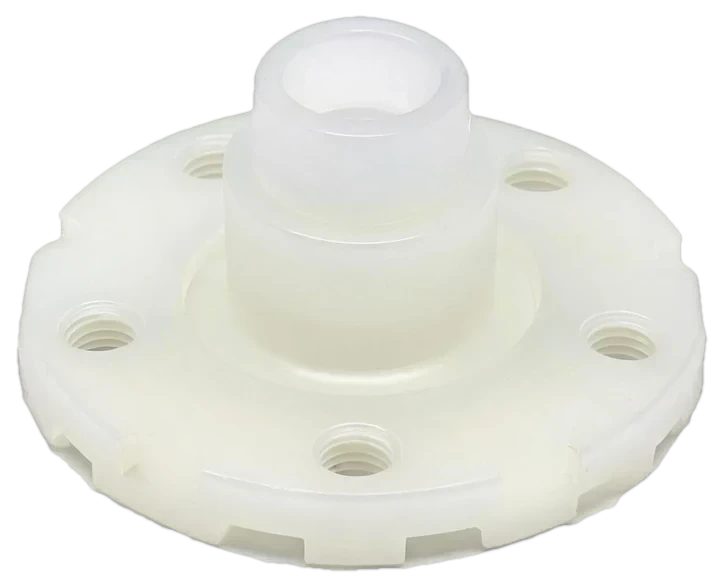
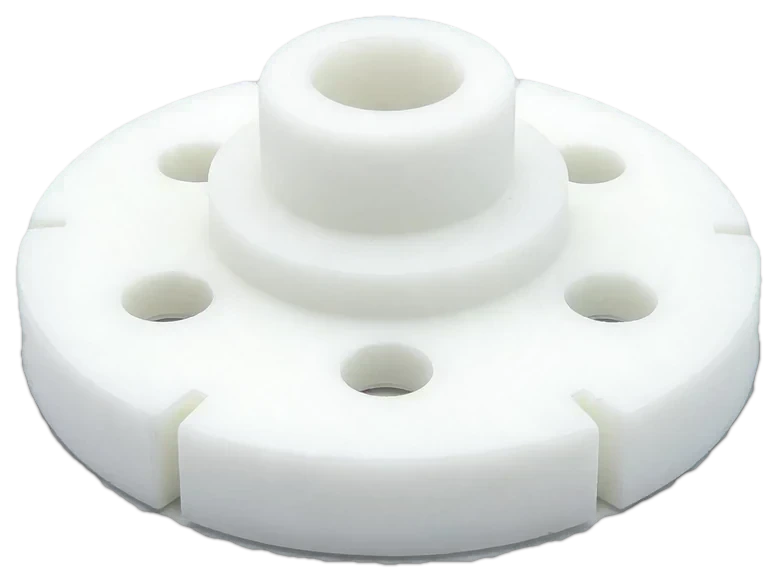
CNC Milled Part 1
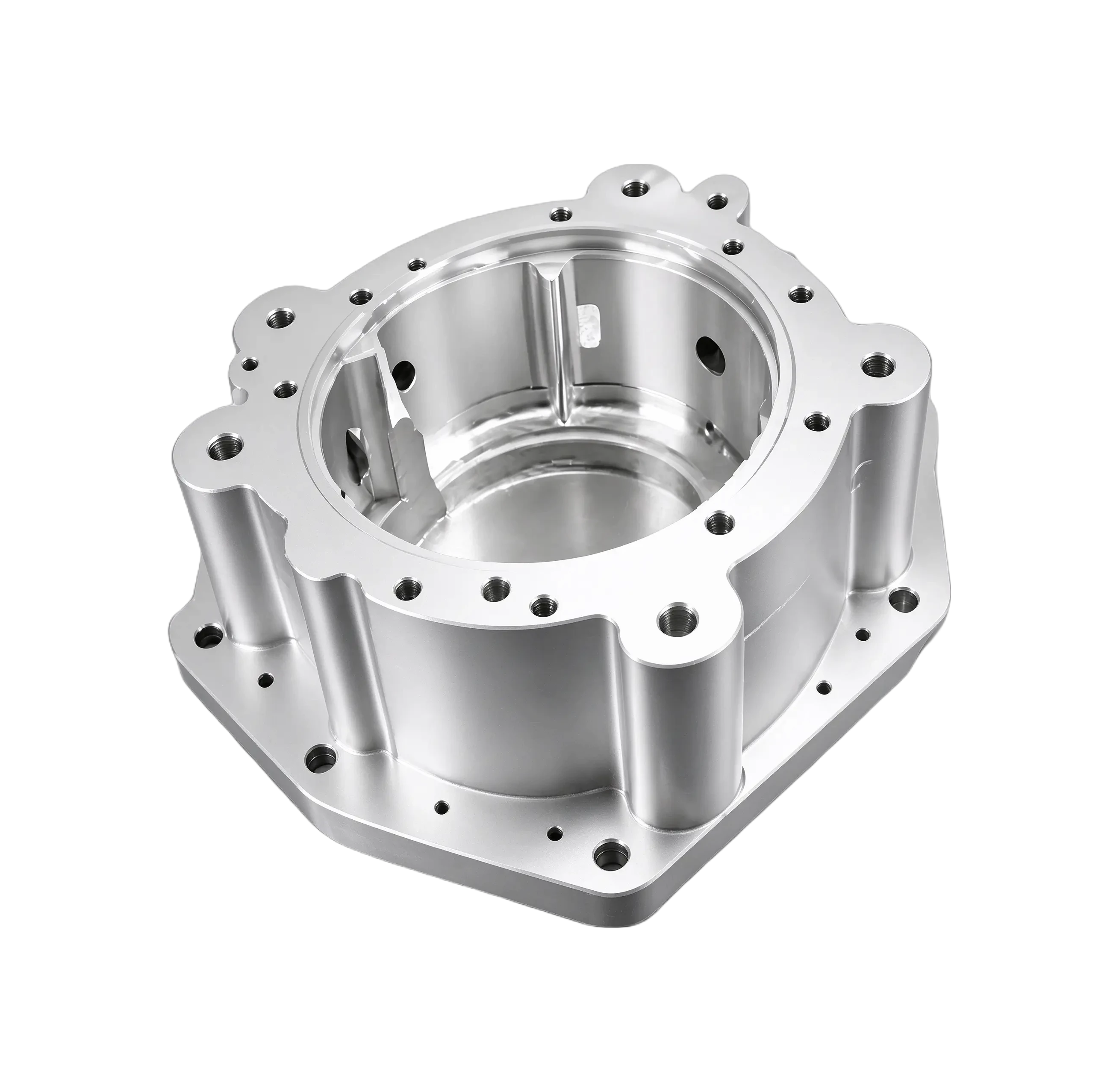
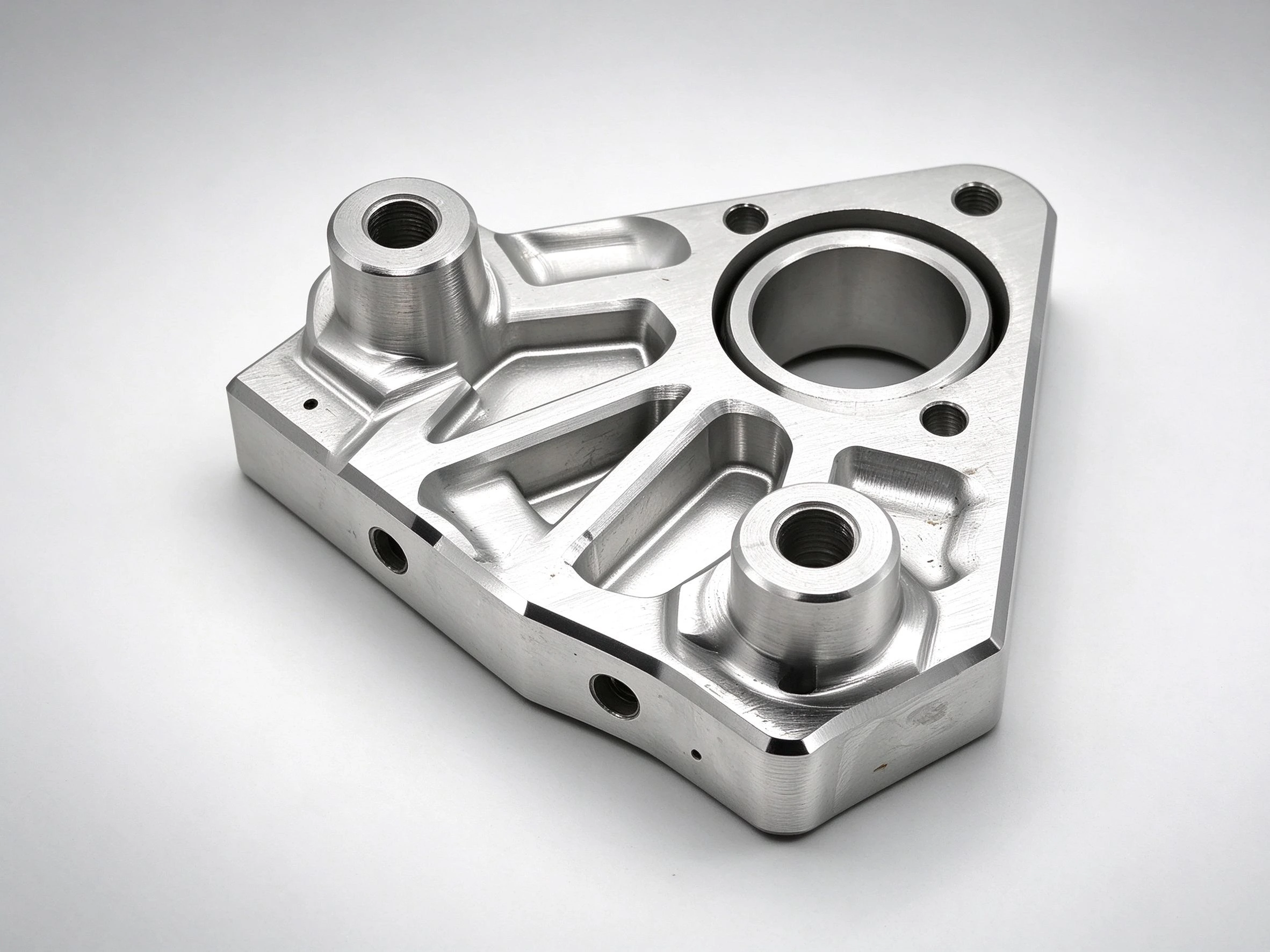
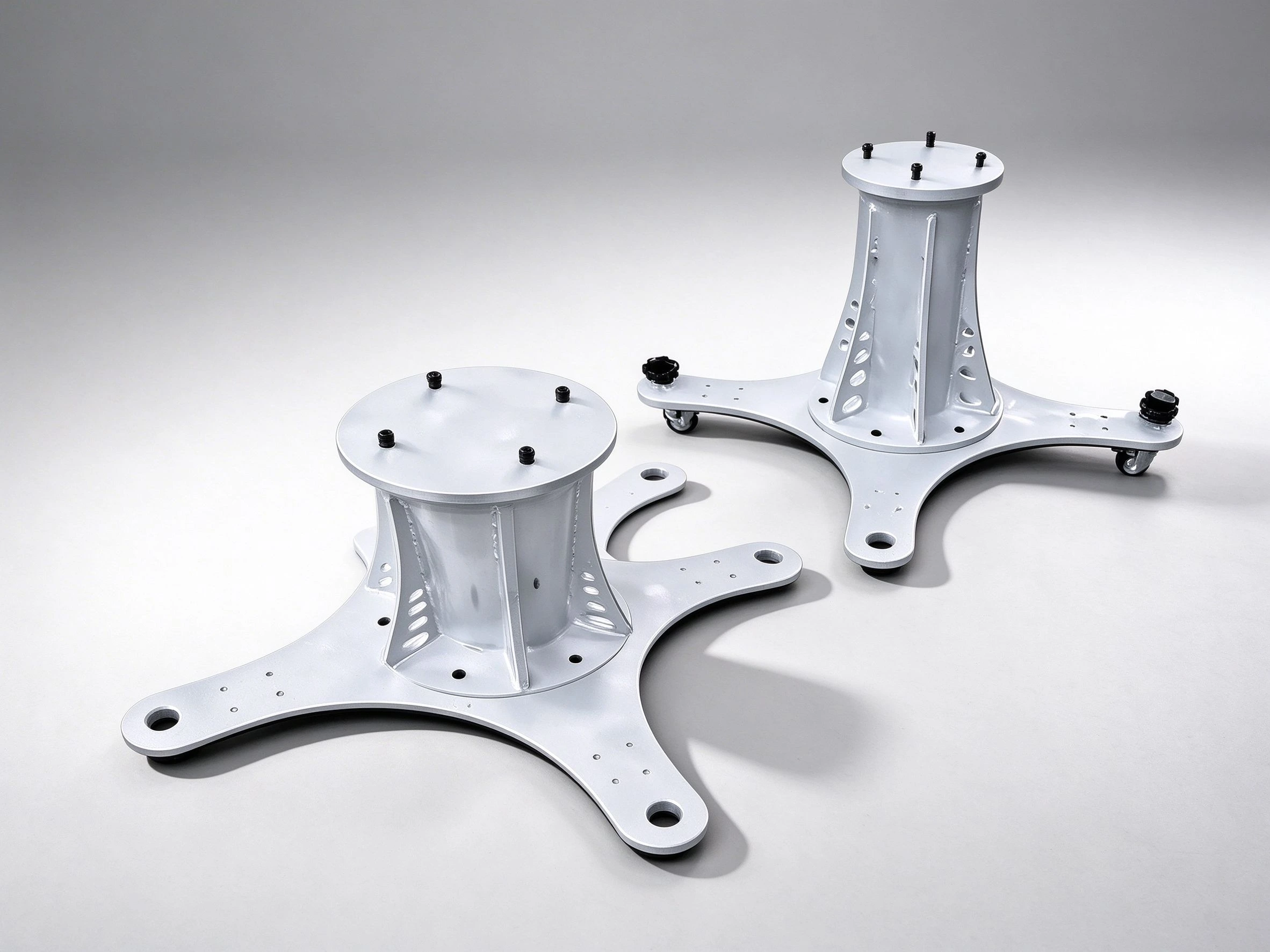
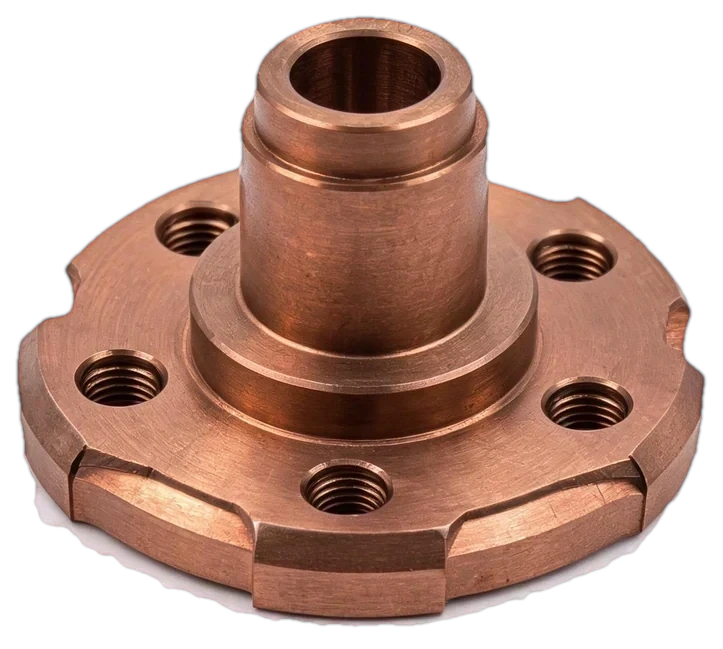
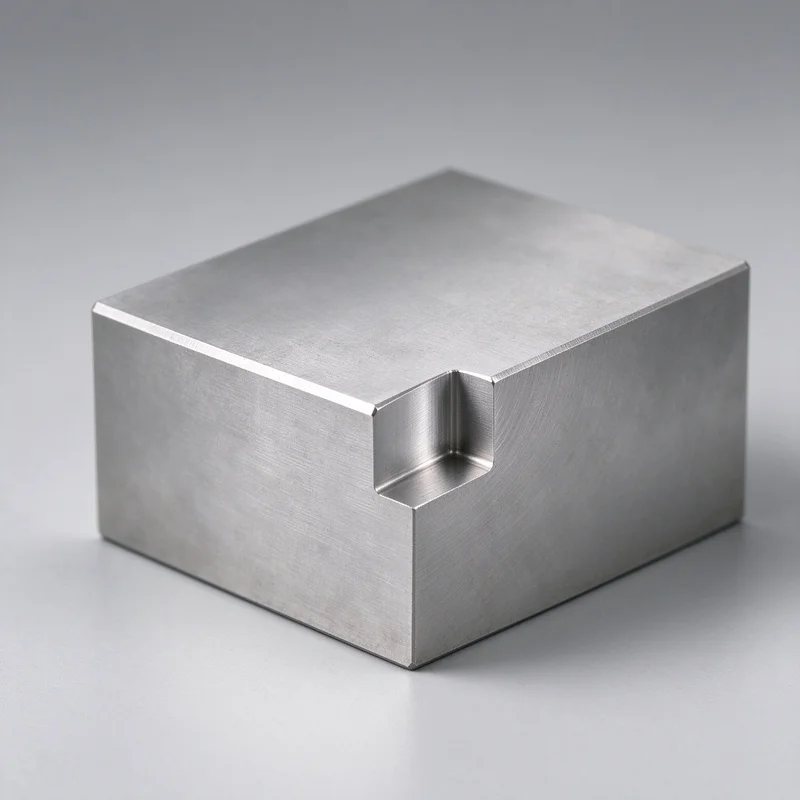
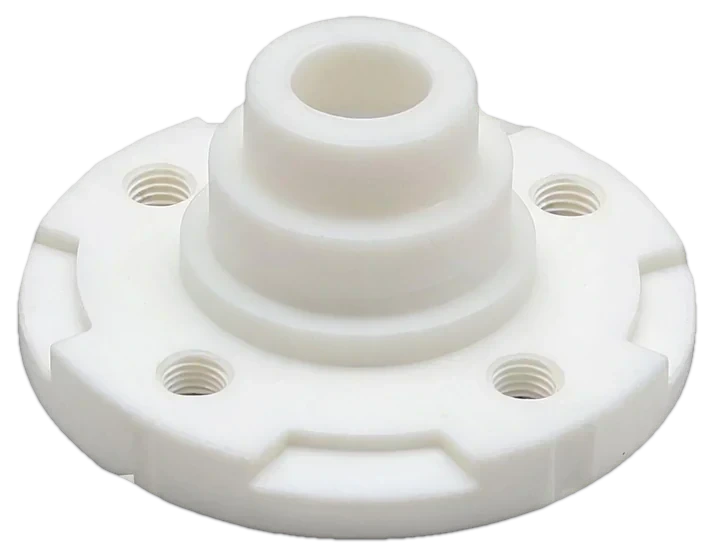
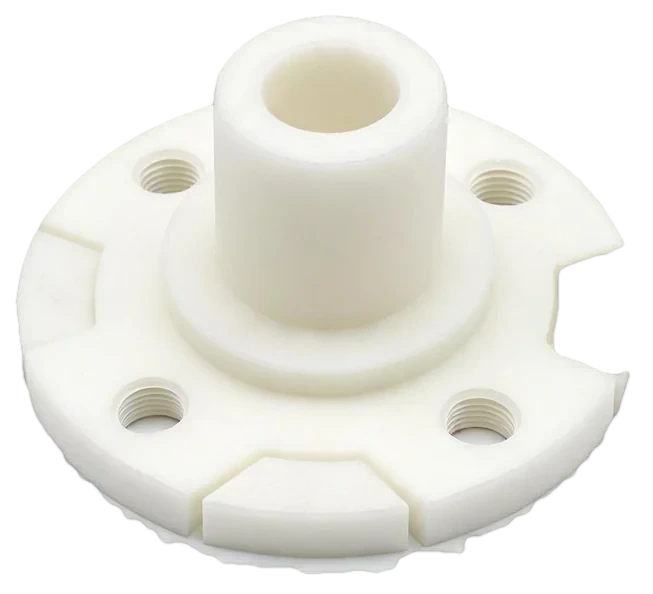
CNC Milled Part 2
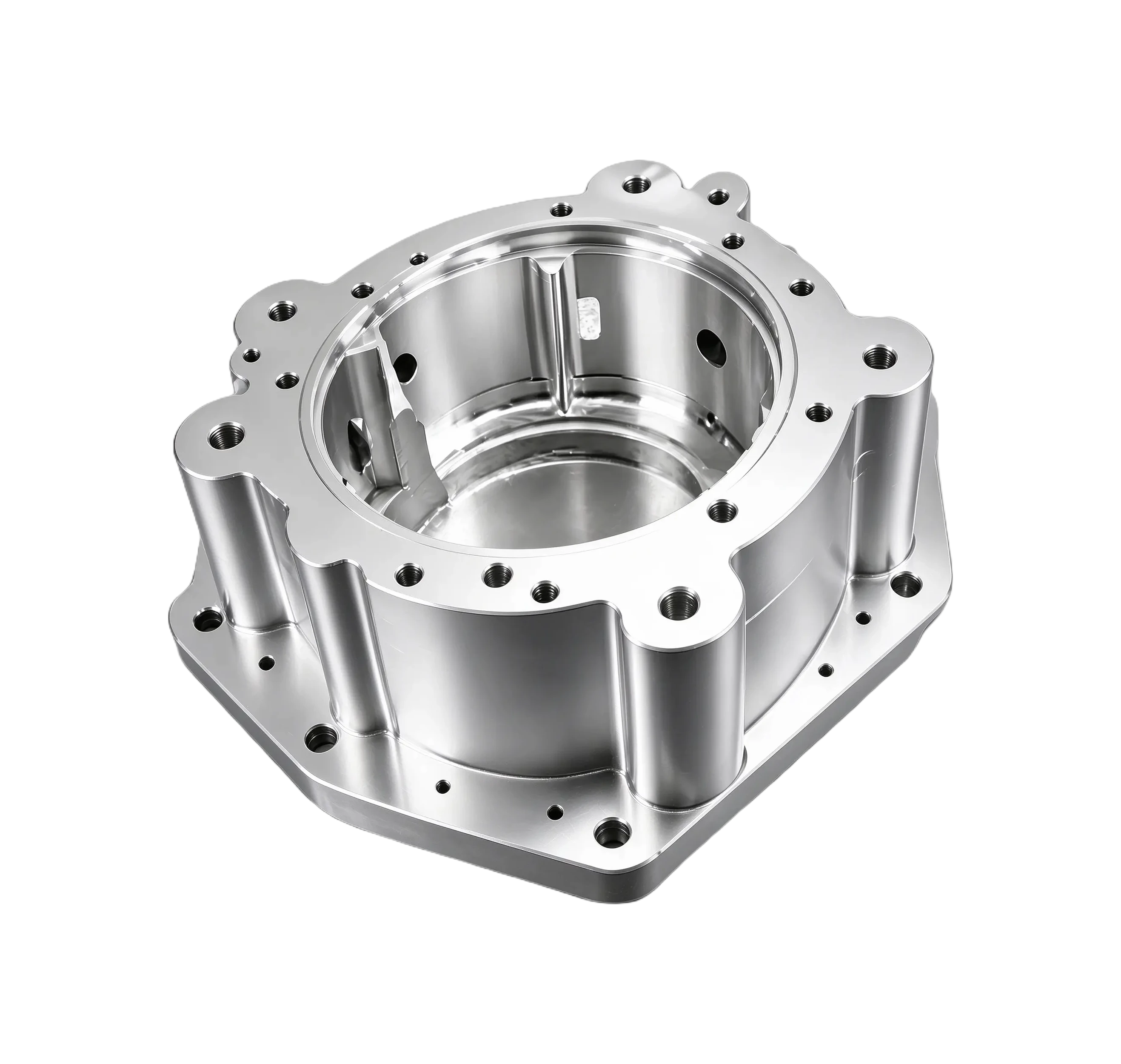
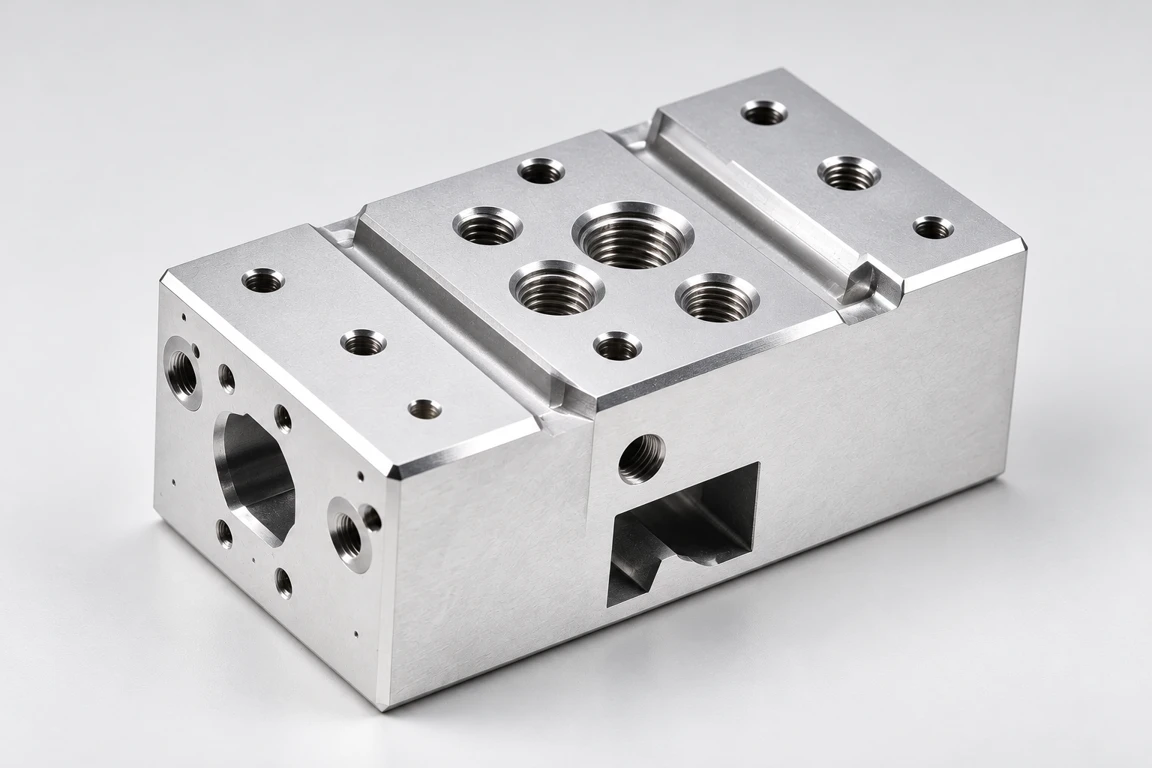
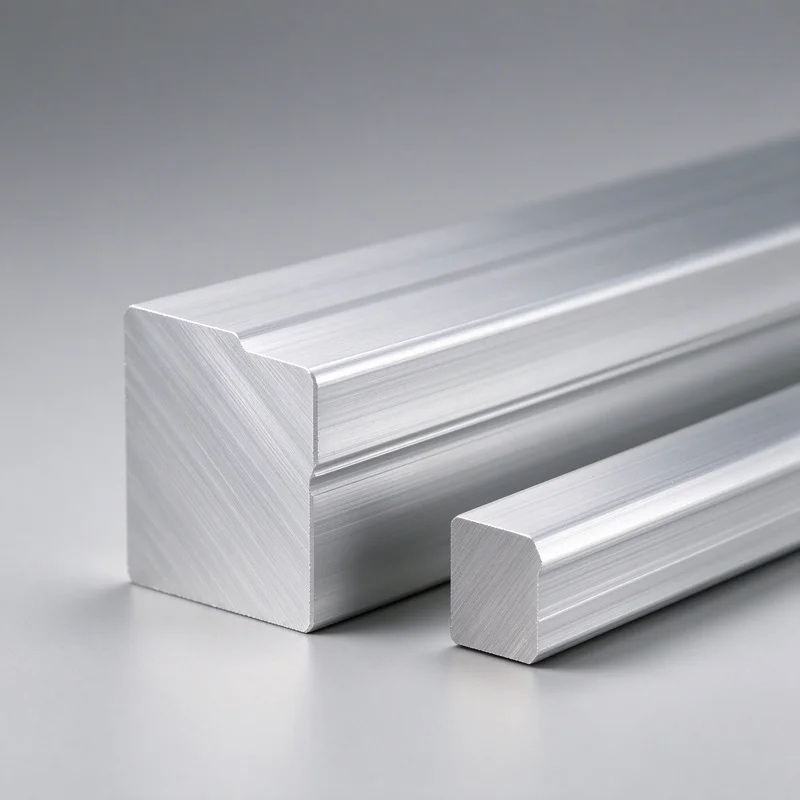
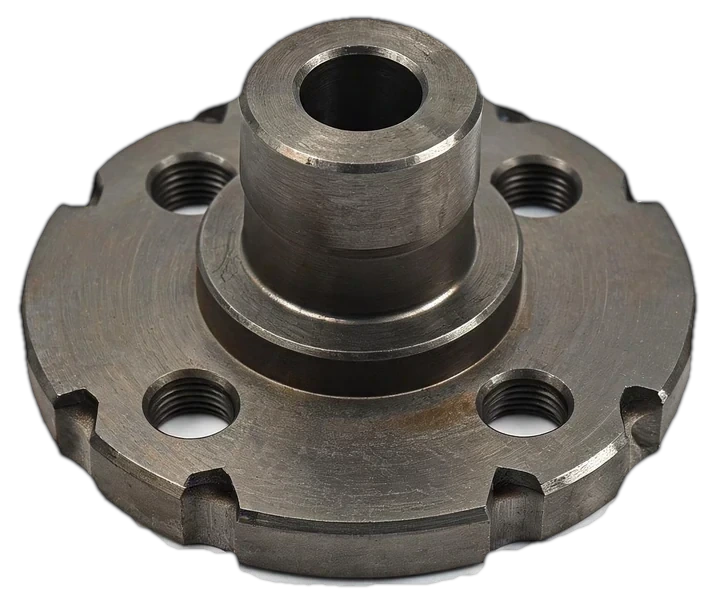
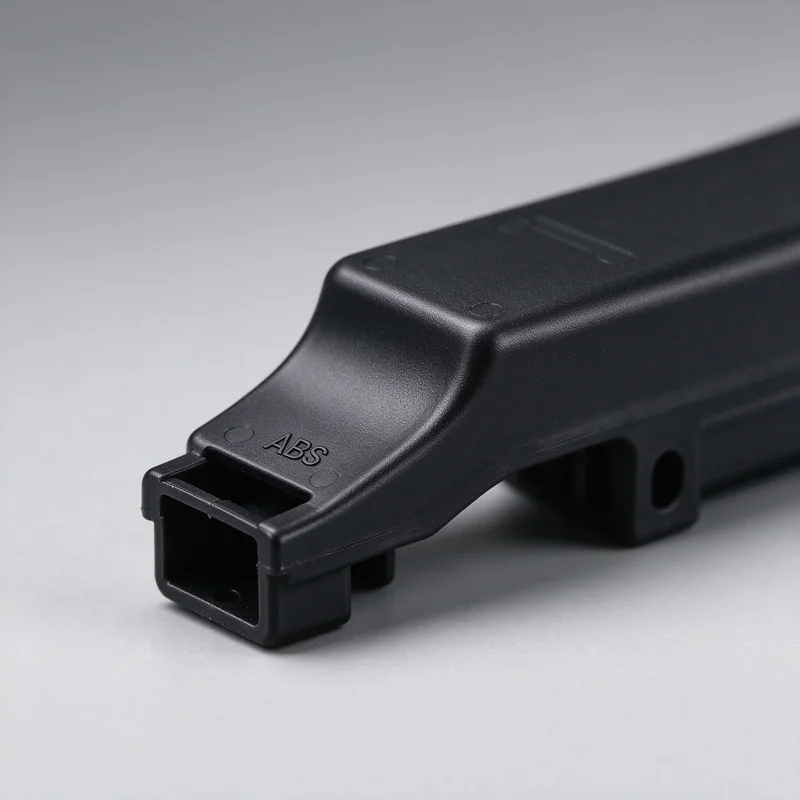
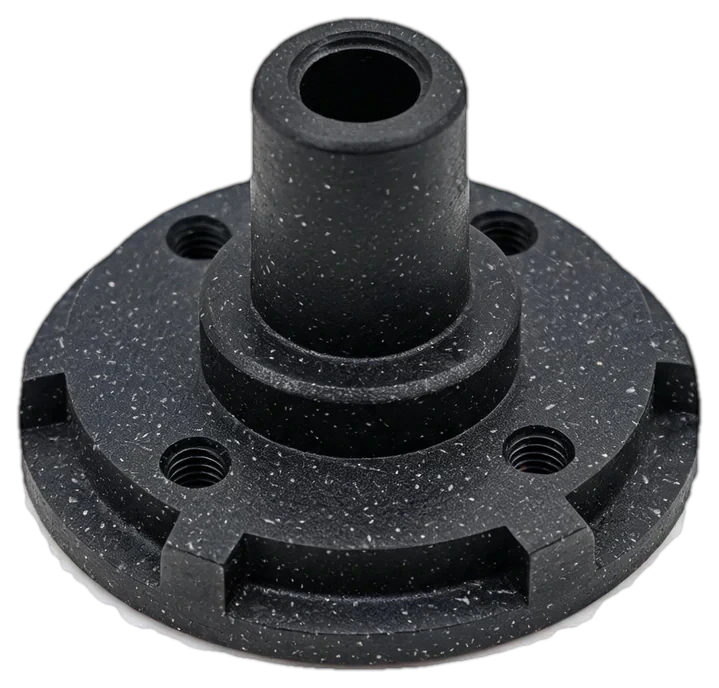
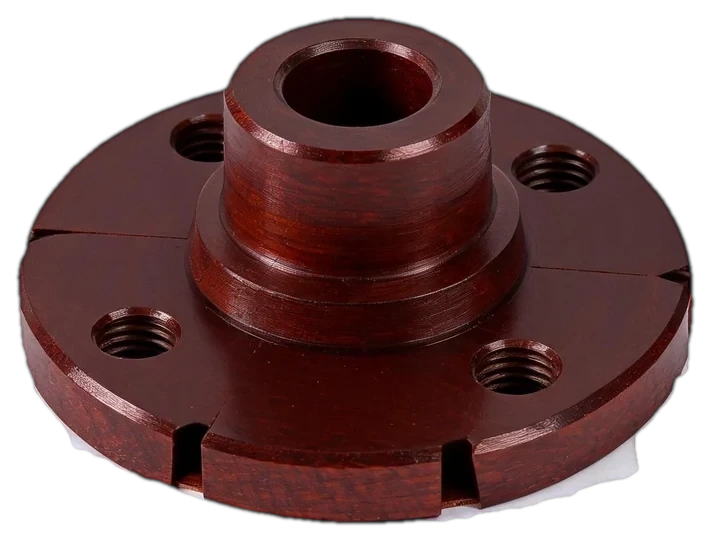
CNC Milled Part 3

Instant pricing, lead times & DFM feedback

Drop your CAD file here, or click to browse STEPSTPSLDPRTSTLDXFIPTX_TX_B3DXMLCATPARTPRTSAT3MFJT Upload CAD for Instant Quote Max file size: 15 MB Your files are secure and confidential NDA on request

Trusted by engineers & purchasing leaders worldwide

20+Years in Business
3,000+Projects Delivered
99.8%On-time Delivery
1000+Customers Served
98%Satisfaction

Trusted bynumerous companies

Walmart
Hikvision
Toyota
Siemens
Sungrow
NIO
JJE
EDrive
Walmart
Hikvision
Toyota
Siemens
Sungrow
NIO
JJE
EDrive

IDEAL PRO Manufacturing has delivered reliable solutions to over 1,000 customers by bringing 3,000+ custom part projects to life with 99.8% on-time delivery.

Precision CNC Milling Services for Custom Parts

3-axis, 4-axis, and 5-axis milling for prismatic and contoured parts. DFM feedback before cutting, first-article inspection before volume runs, and documented inspection at finish.

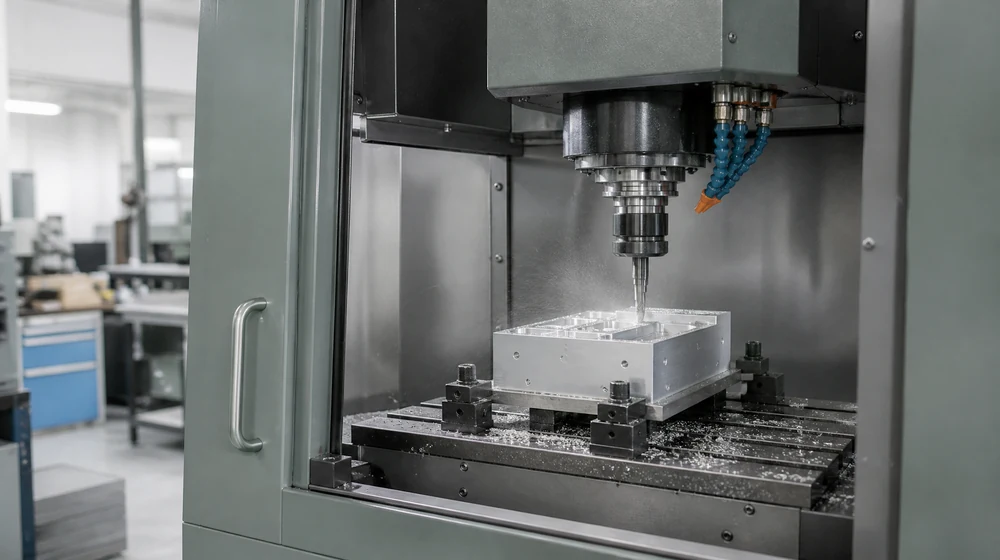
3‑Axis CNC Milling

3‑Axis CNC Milling

Ideal for straightforward geometries with tight tolerances on up to three sides. A reliable and affordable solution for functional prototypes and production parts.

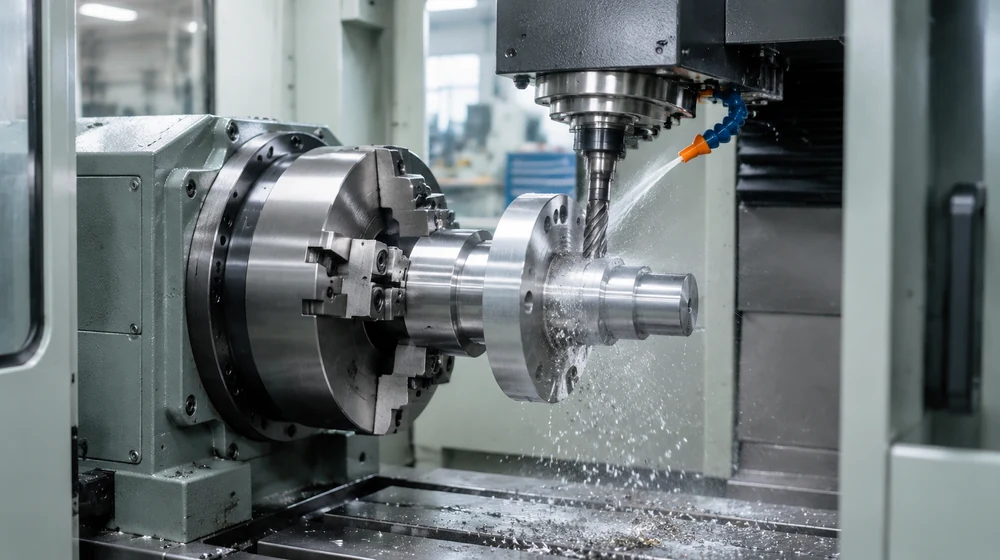
4‑Axis CNC Milling

4‑Axis CNC Milling

Add rotational movement to machine features on multiple faces in a single setup. Reduces handling time and increases accuracy for more intricate components.

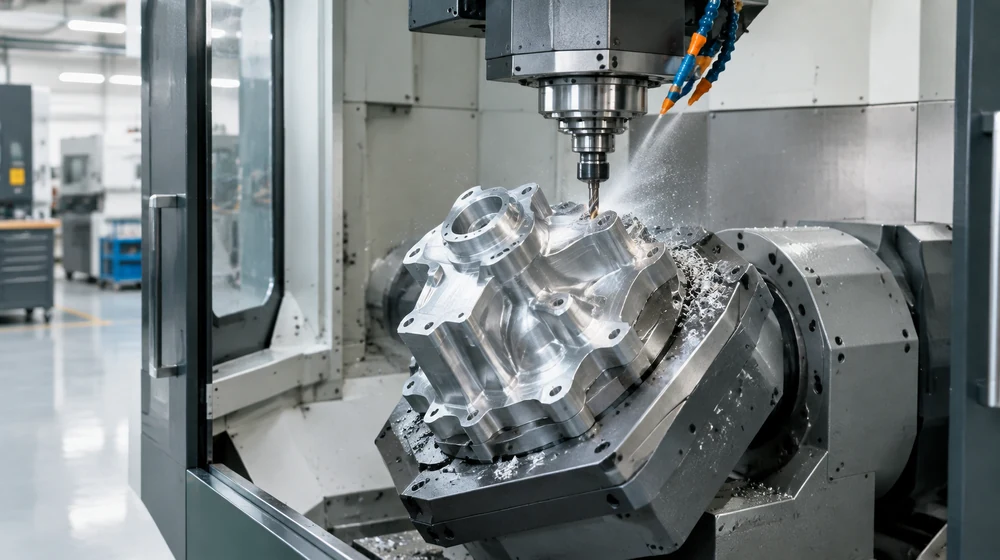
5‑Axis CNC Milling

5‑Axis CNC Milling

Multi-axis machines cut complex contours, deep cavities, and sculpted surfaces from multiple angles in one setup, reducing re-fixturing error and improving the as-milled surface finish.

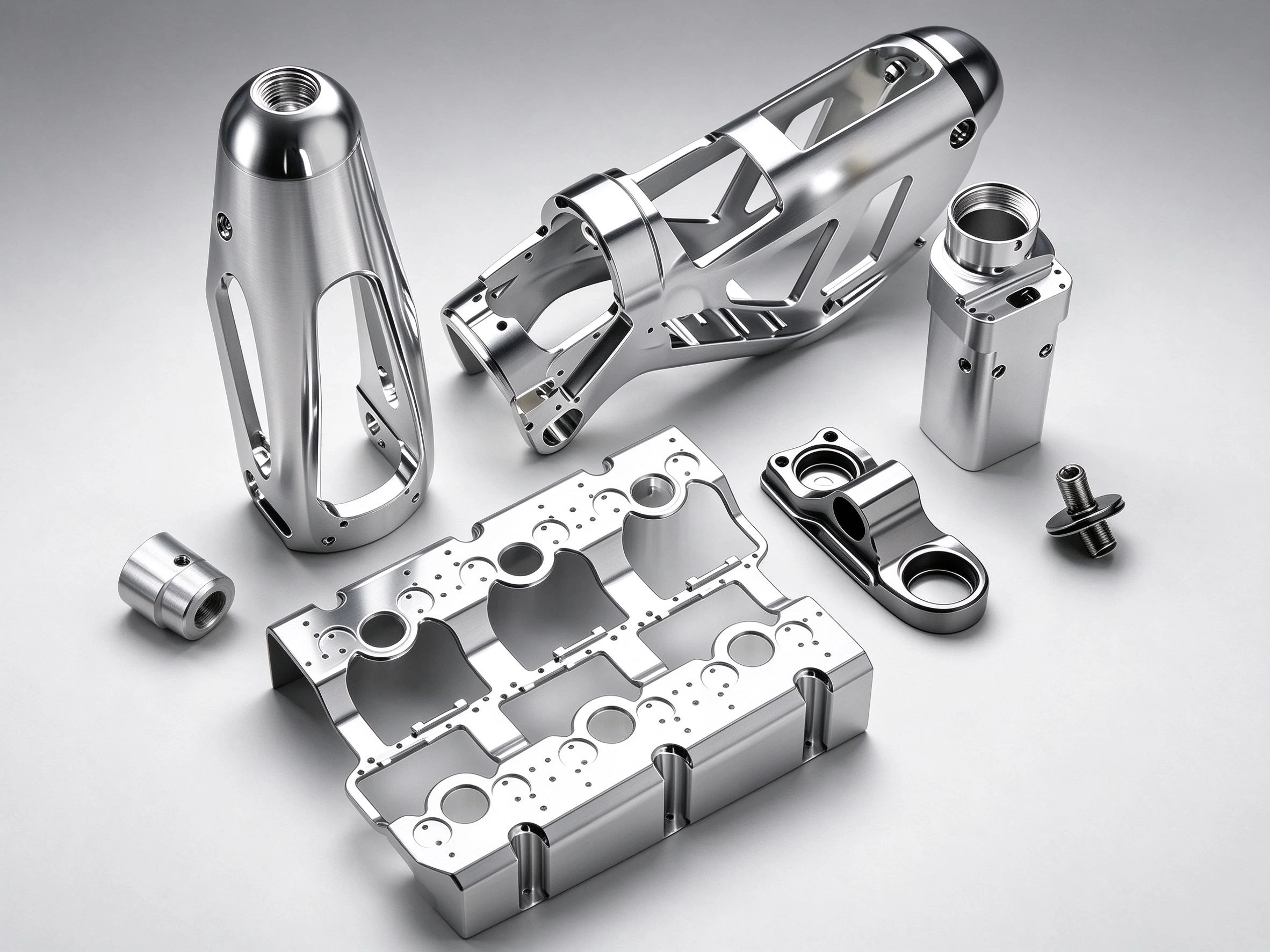
CNC Milling Parts We Produce

All CNC milling parts featured are original IDEAL PRO Manufacturing designs and are authorized for public viewing

IDEAL PRO Manufacturing

CNC Milling Solutions

PROTOTYPING

Rapid Prototyping

Accelerate your design cycle with our rapid CNC milling. We deliver precision prototypes in days, not weeks, for effective form, fit, and function testing to de-risk development.

Learn More
PRODUCTION

Low and High-Volume Production

Go from pilot runs to full production without changing supplier. Fixturing, tooling, and inspection plans carry over, so first articles and volume lots come off the same process.

Get Instant Quote

CNC Milling Material Selection

Material choice drives part performance, cost, and tool life. We stock a broad range of metals and plastics with incoming material checks, and engineering will help you compare strength, finish, and price against what the part actually does in service.

Metals

Aluminum

Aluminum offers an exceptional strength-to-weight ratio, outstanding machinability for complex geometries, and strong corrosion resistance. It is a premier choice for high-performance applications in aerospace, automotive, and consumer electronics, where reducing weight without compromising durability is critical.

Alloys

  • Aluminum 6061, 6061-T6
  • Aluminum 2024
  • Aluminum 5052
  • Aluminum 5083
  • Aluminum 6063
  • Aluminum 6082
  • Aluminum 7075, 7075-T6
  • Aluminum ADC12 (A380)

Plastics

ABS

ABS provides high strength and impact resistance with good heat tolerance, making it ideal for injection molding and machining durable, functional components in consumer electronics, automotive interiors, and structural prototypes.

Variants

  • ABS Natural
  • ABS Black
  • ABS Black Antistatic
  • ABS White
  • ABS+PC Blend

CNC Milling Surface Finishing

At IDEAL PRO Manufacturing, we offer a variety of custom surface finishes to enhance the appearance, performance, and durability of your CNC milled parts. Our surface finishing options are designed to meet your specific aesthetic and functional requirements.

Alodin

Alodin

A chromate-based chemical conversion coating primarily for aluminum. It creates a thin, conductive layer that provides excellent corrosion resistance and serves as an ideal substrate for paint adhesion. It is a lightweight, economical alternative to anodizing, widely specified in aerospace, automotive, and military applications for corrosion protection and electrical conductivity.
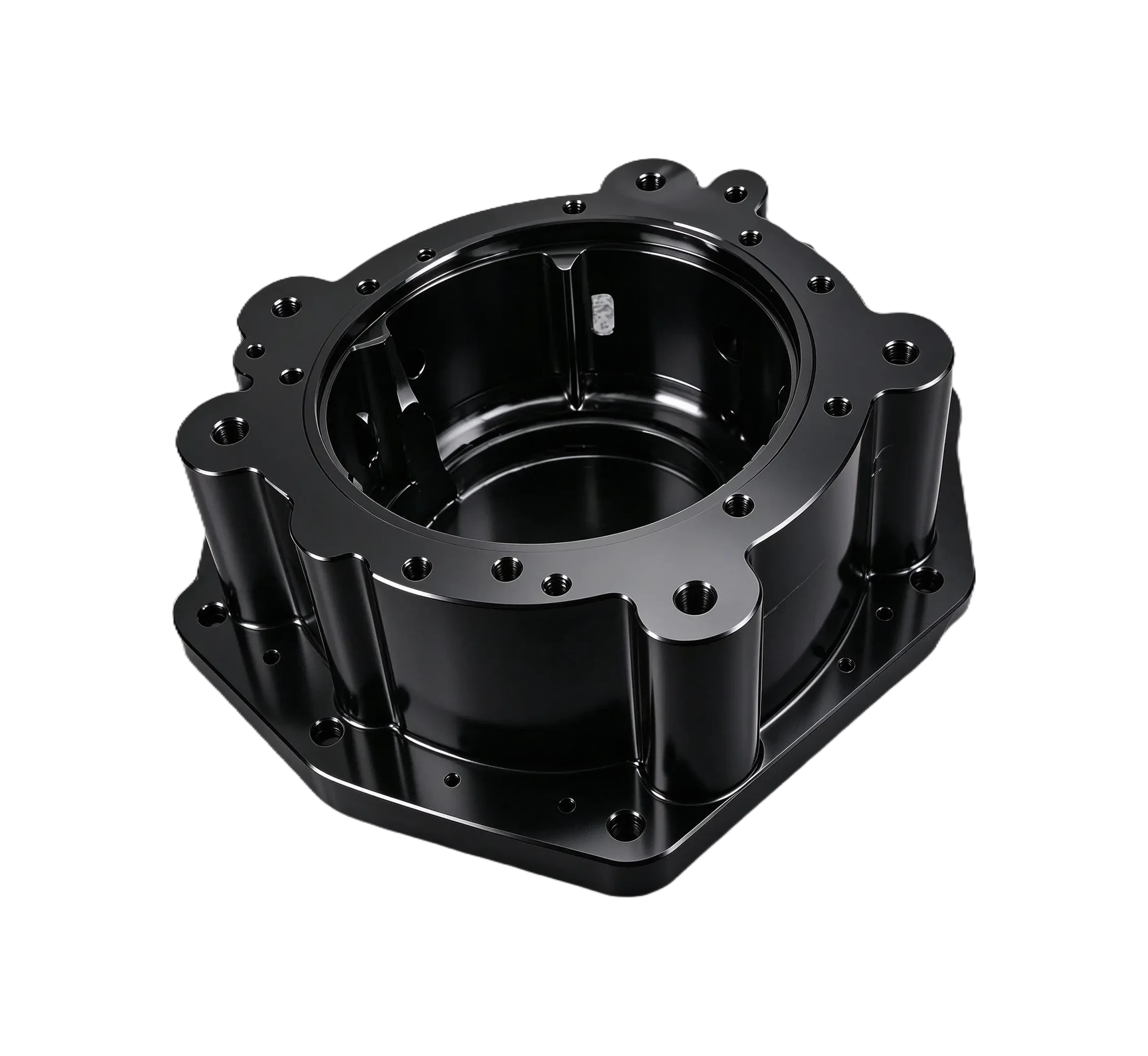
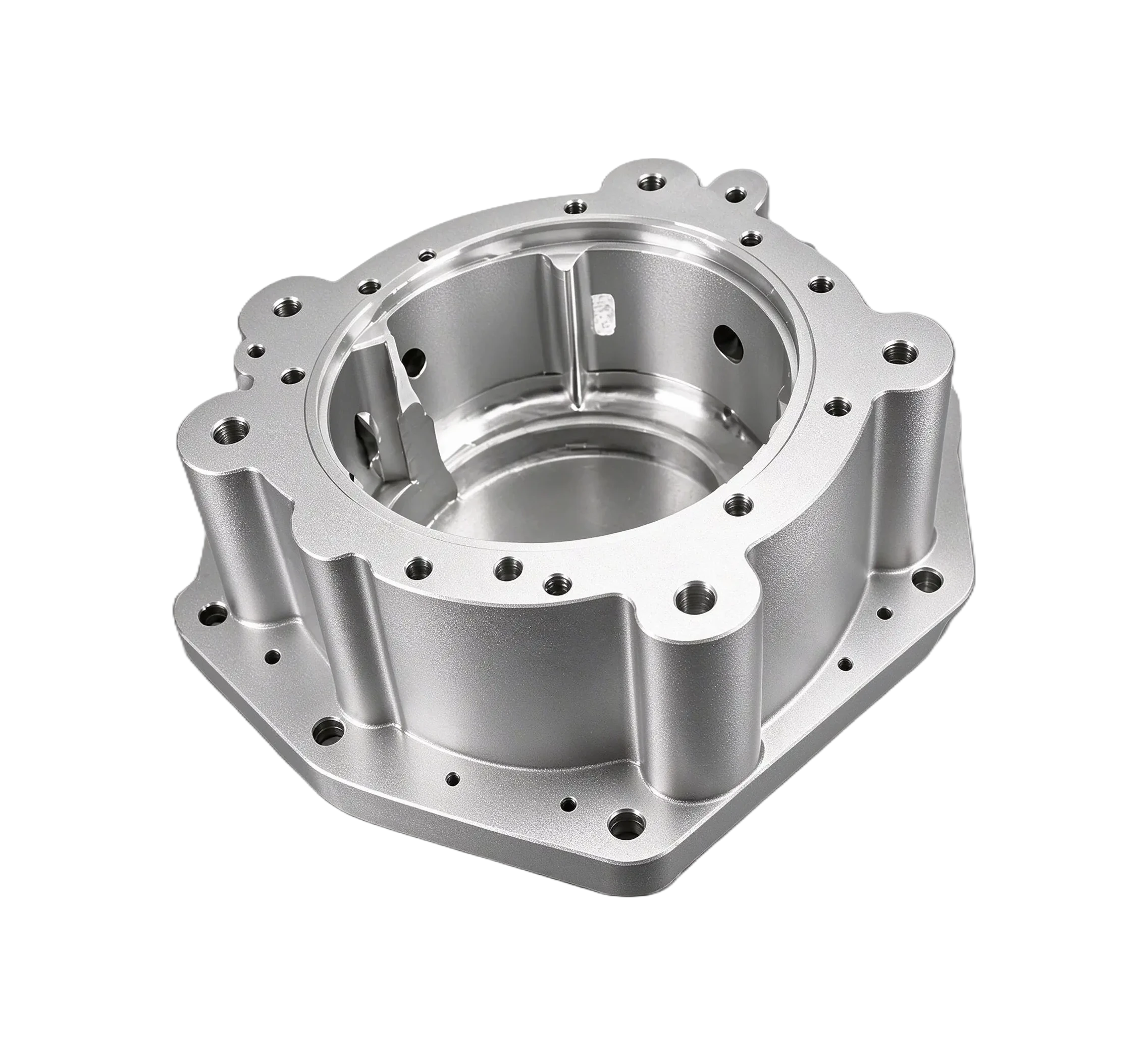
Anodizing Glossy

Anodizing Glossy

A Type II anodizing process that builds a hard, transparent, and glossy oxide layer on aluminum. It significantly increases surface hardness and corrosion resistance while enhancing the metal's natural luster. Available in a wide spectrum of permanent colors, it is essential for consumer electronics, automotive trim, and architectural components demanding durability and a premium appearance.

Bead Blast

Bead Blast

A mechanical finishing process that propels fine media (e.g., glass beads) at high pressure to clean, texture, or matte a surface. It effectively hides minor tool marks, creates a uniform, low-glare satin finish, and provides an optimal key for subsequent painting or coating. Ideal for enclosures, handles, and parts requiring a clean, consistent, non-reflective aesthetic.

Brush

Brush

Creates a consistent, unidirectional satin grain on metal surfaces through precision abrasive brushing. This finish masks fingerprints and light scratches, offers a refined tactile feel, and reduces light reflection. It provides a premium, non-glare appearance for consumer-facing components like appliance panels, architectural hardware, and electronic bezels.

Electrophoresis

Electrophoresis

An immersion process where a charged part is coated with a paint film drawn from a water-based solution through electrophoresis. It provides exceptional, uniform coverage—including edges and recesses—with superior corrosion resistance. Primarily used as a primer or single coat for automotive frames, agricultural equipment, and high-durability industrial components.

Electropolish

Electropolish

An electrochemical process that removes a microscopic layer of material, smoothing micro-peaks and brightening the surface. Beyond achieving a brilliant, clean finish, it passivates stainless steel and other alloys, drastically improving corrosion resistance, decontamination, and cleanability. Critical for medical implants, semiconductor tools, pharmaceutical, and high-purity fluid systems.
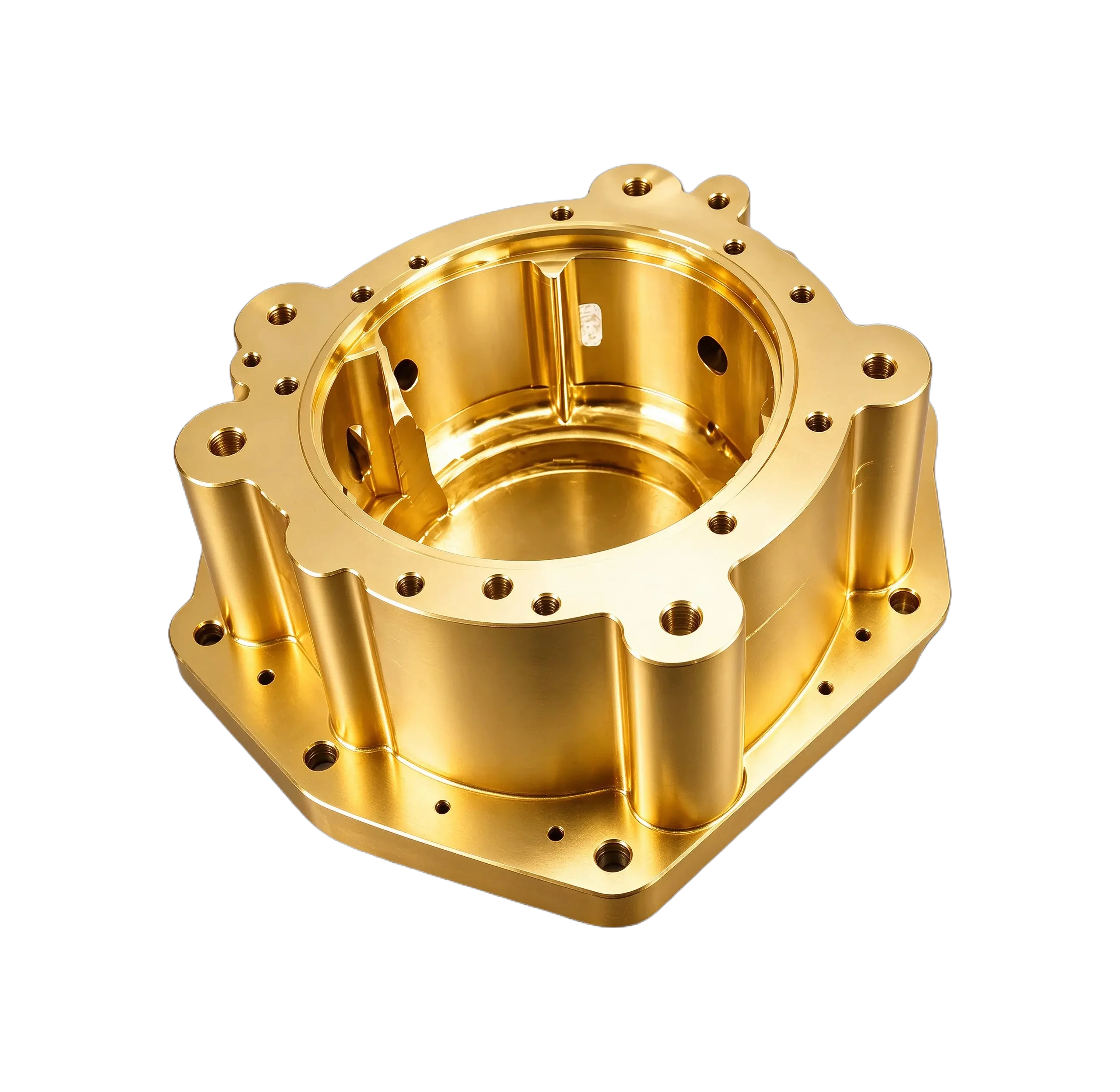
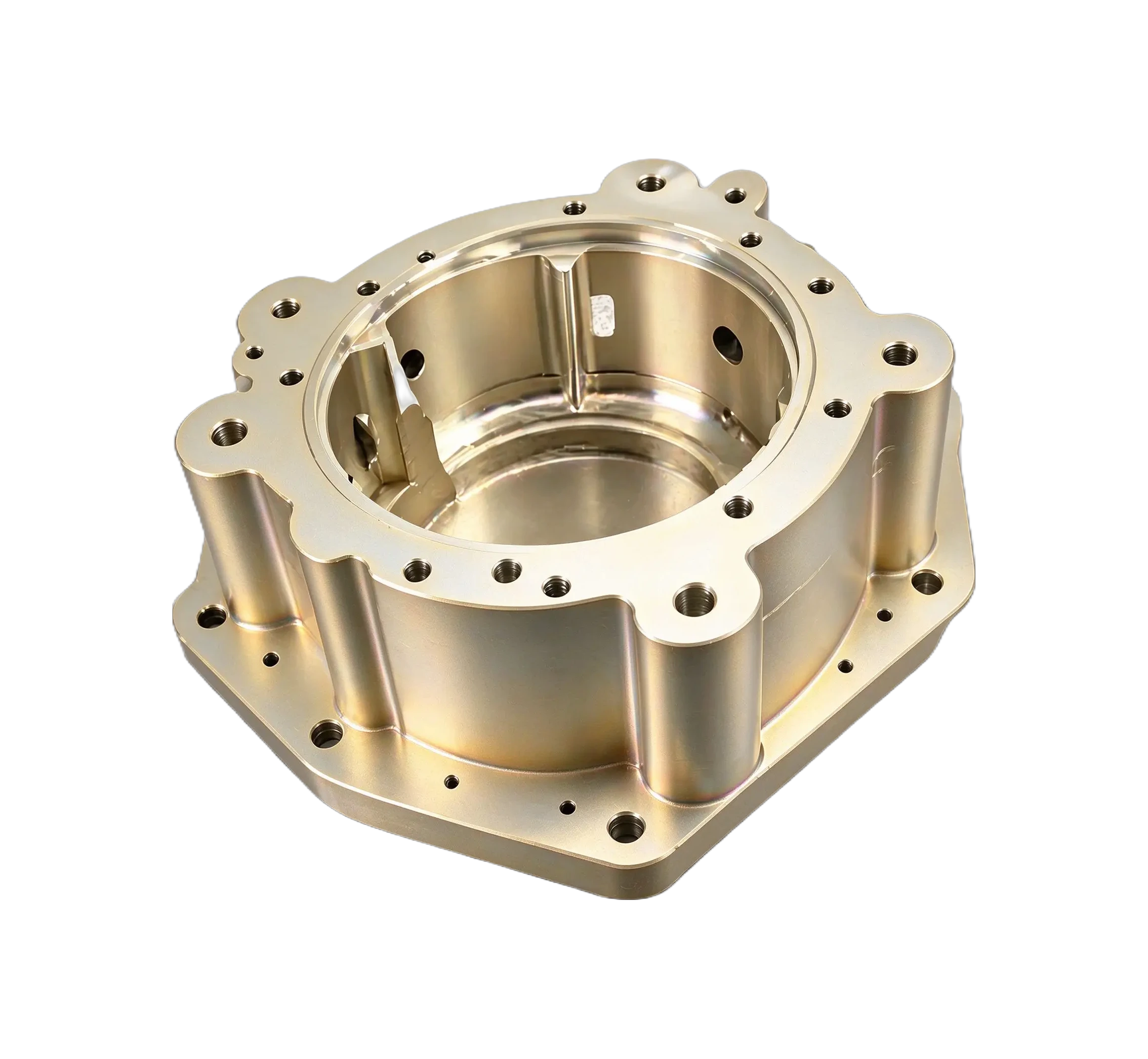
Gold Plating

Gold Plating

An electroplating process that deposits a thin, adherent layer of gold onto a substrate. It provides superior corrosion resistance, excellent electrical conductivity, and a luxurious, decorative appearance. Used for high-reliability electrical connectors, RF shielding, commemorative items, jewelry, and aerospace components where performance, solderability, or aesthetics are paramount.

Machining

Machining

The surface finish directly from the CNC machine, characterized by visible, consistent tooling marks. It is the most cost-effective and fastest option, with no added processing time. Ideal for non-visible functional components, internal prototypes, and applications where minimizing cost and lead time is the highest priority over cosmetic appearance.

Passivate

Passivate

A chemical treatment for stainless steel that removes free iron from the surface and promotes the formation of a stable, inert chromium oxide layer. This process maximizes the alloy's natural corrosion resistance without altering part dimensions. A mandatory step for medical instruments, food processing equipment, and marine components to prevent rust and contamination.

Polish

Polish

A progressive mechanical abrasion process that refines a metal surface to a smooth, high-gloss, or mirror finish. It dramatically reduces surface roughness (Ra), improving cleanability, light reflection, reducing friction, and elevating visual appeal. Standard for luxury goods, food-grade equipment, optical components, and architectural features.

Vapor Polish

Vapor Polish

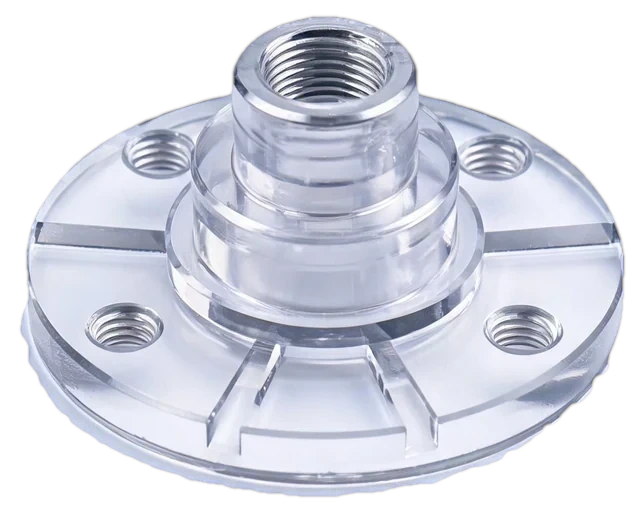
A specialized post-processing technique for thermoplastics (like ABS, PC, PMMA) that uses solvent vapors to gently melt the surface layer. This eliminates layer lines and microscopic imperfections, resulting in a crystal-clear, glossy, and smooth finish that enhances optical clarity and chemical resistance. Ideal for clear lenses, light guides, and display models.

Zinc Plating

Zinc Plating

An electrochemical process that deposits a protective zinc coating on steel or iron substrates. The zinc acts as a sacrificial anode, providing galvanic corrosion protection. It can be supplemented with various chromate conversions (clear, blue, yellow, black) for added resistance and color. A cost-effective and reliable solution for fasteners, brackets, automotive parts, and hardware.

World Map Background

China-Based Precision CNC Milling. Delivered Worldwide.

Tap into a vetted network of CNC workshops across China and shorten your supply chain. Machining centers, grinders, EDM, and automated lines run under one scheduling system, so parts move from quote to shipment with short lead times and tracked international logistics.

3,000+
Custom Part Designs
20+
Years Experience
50+
Countries & Regions Served
98%
Satisfaction

Customer Success Stories

IDEAL PRO Manufacturing partners with leading companies across the automotive, aerospace, medical, electronics, and robotics industries. From individual inventors to global enterprises, we deliver precision CNC Milling machining and manufacturing solutions trusted for quality and reliability worldwide.

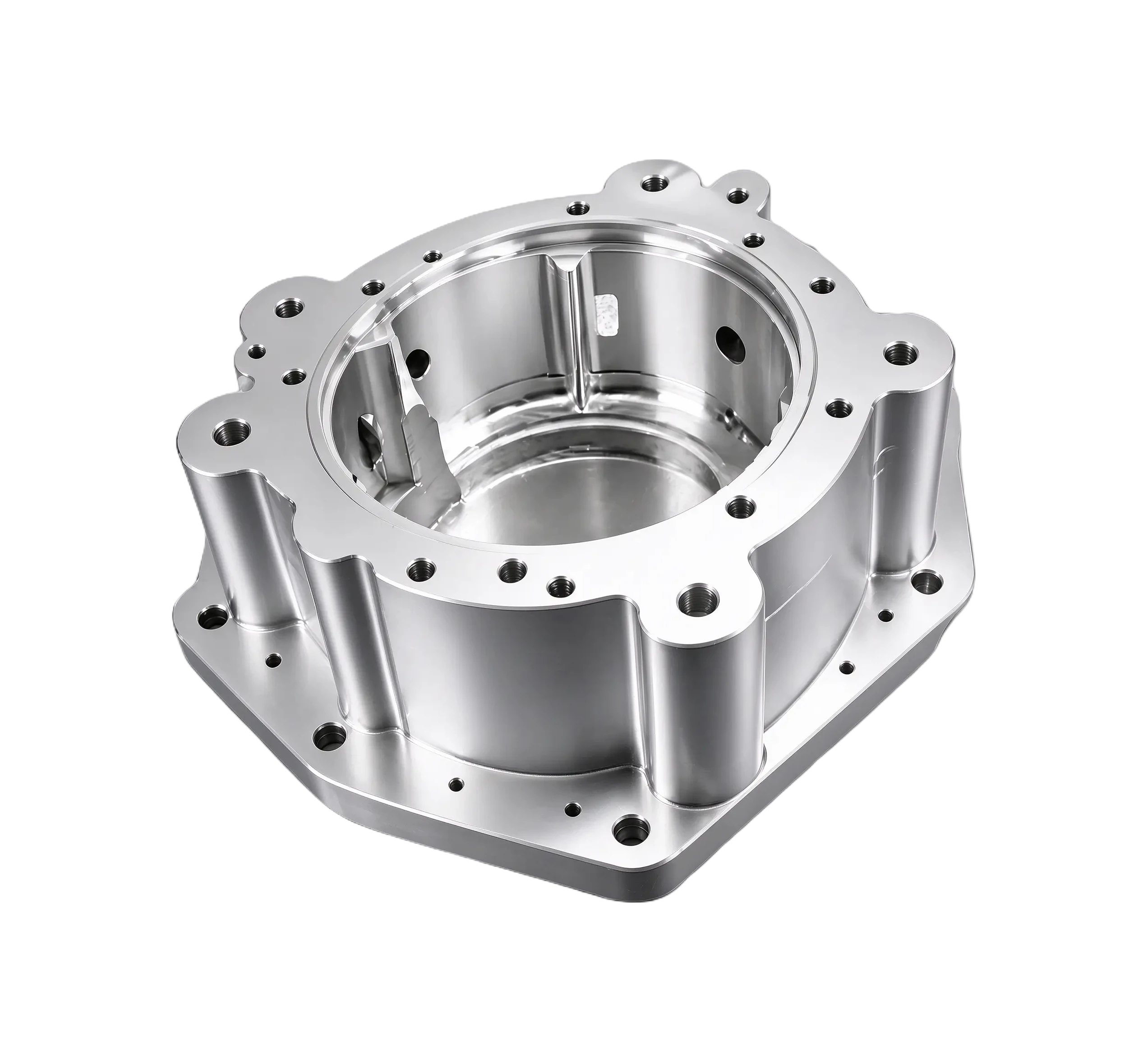
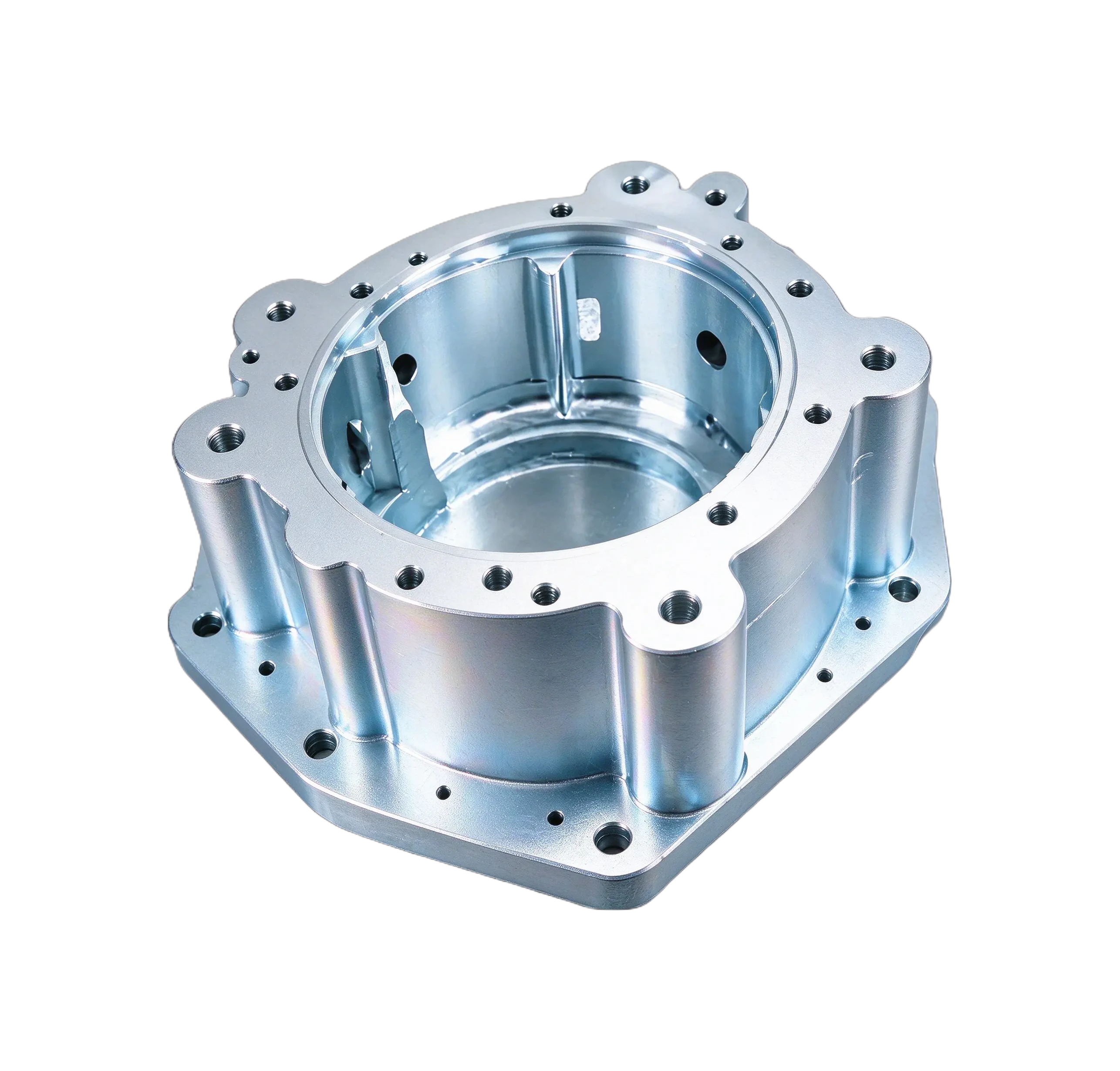
Multi-Face 6061-T6 Gearbox Housing Milled From Solid Billet
Complex Milling

Multi-Face 6061-T6 Gearbox Housing Milled From Solid Billet

A robotics joint developer replaced a welded assembly with a one-piece gearbox housing packed with bolt circles and internal ribs. We milled 6061-T6 aluminum on 3-axis VMCs across two soft-jaw setups, holding the bearing bore to H7, bolt-hole position to ±0.02 mm, and floor flatness to 0.02 mm; the lighter housing entered production at 300 units monthly.

Explore More

H7

Bearing Bore

±0.02 mm

Hole Position

0.02 mm

Floor Flatness

300/mo

Production Rate

Forged Aluminum Steering Knuckles With Tight Coaxial Bearing Bores
Automotive Milling

Forged Aluminum Steering Knuckles With Tight Coaxial Bearing Bores

An electric ATV manufacturer needed lightweight steering knuckles in which two pressed bearing bores had to stay perfectly coaxial. We CNC milled 6061-T6 die forgings on twin-pallet vertical machining centers, boring both seats in a single fixturing to IT7 with 0.015 mm coaxiality and Ra 1.6 μm bores; 2,000 knuckles shipped on time with no press-fit failures reported.

Explore More

IT7

Bore Tolerance

0.015 mm

Coaxiality

Ra 1.6 μm

Bore Finish

2,000

Parts Shipped

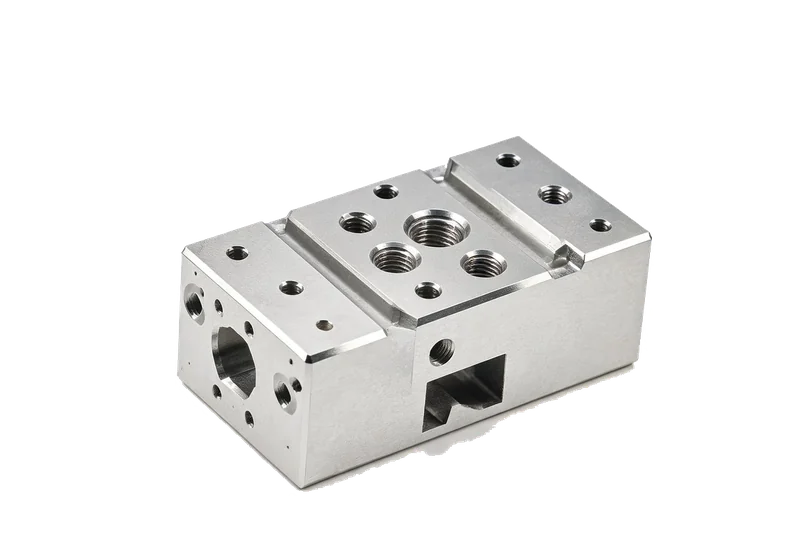
Multi-Port 6061-T6 Aluminum Valve Bodies With Cross-Intersecting Galleries
Valve Body Milling

Multi-Port 6061-T6 Aluminum Valve Bodies With Cross-Intersecting Galleries

A pneumatic automation systems producer required compact valve bodies combining seven threaded ports with deep internal intersecting passages. We milled 6061-T6 billet on 4-axis horizontal centers, finishing every port, spool bore, and mounting face in two operations to ±0.01 mm bore tolerance and a Ra 0.8 μm finish; helium leakage testing showed a 99.8% acceptance rate over 3,500 serialized bodies.

Explore More

±0.01 mm

Spool Bore

Ra 0.8 μm

Bore Finish

99.8%

Leak-Test Pass Rate

3,500

Serialized Units

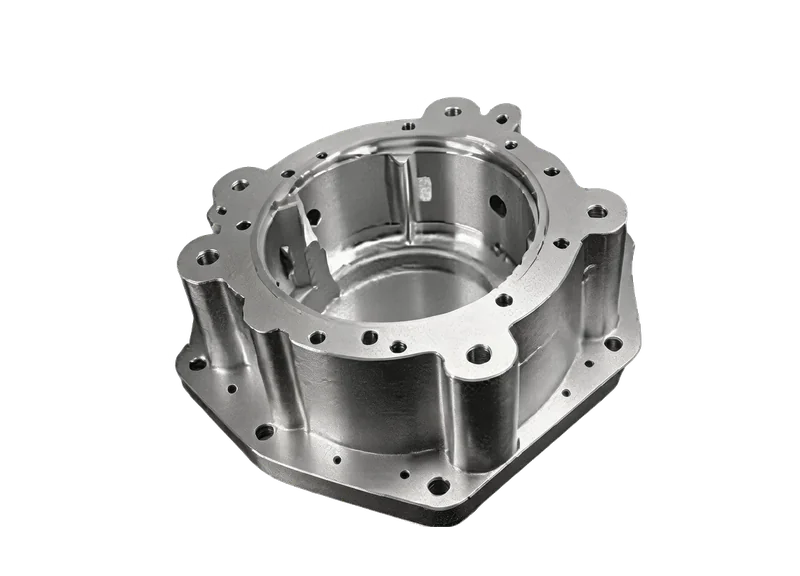
Large A356 Reducer Housings With Bored Flange and Square Deck
Large-Envelope Milling

Large A356 Reducer Housings With Bored Flange and Square Deck

A conveyor drive manufacturer needed large reducer housings where a circular bolt flange mated a precision square deck. We CNC milled heat-treated A356-T6 castings on a large-travel VMC, boring the pilot to H7, locating 24 flange holes to ±0.03 mm, and face-milling the deck to Ra 3.2 μm; 600 housings fit the assembly line without rework.

Explore More

H7

Pilot Bore

±0.03 mm

Flange Hole Pattern

Ra 3.2 μm

Deck Finish

600

Housings Delivered

Tolerances for CNC Milling

Unless your drawing specifies otherwise, milled metals default to ISO 2768-m and plastics to ISO 2768-c. Tighter callouts are quoted against the feature and material involved, and first-article inspection confirms them before the run.

3-Axis 4-Axis 5-Axis
Maximum Part Size 1000 x 500 x 500 mm 1000 x 500 x 500 mm 4000 x 1500 x 600 mm
Minimum Part Size 5 x 5 x 5 mm 5 x 5 x 5 mm 5 x 5 x 5 mm
General Tolerances ±0.1 mm ±0.1 mm ±0.05 mm
Lead Time Delivery of simple parts can be as fast as 1 day. 5 business days for most projects. 5 business days for most projects.

CNC Milling Design Guidelines

Follow these key design principles to ensure your parts are not only functional but also manufacturable, cost-effective, and reliable. Adhering to these recommendations helps prevent common machining issues, reduces production delays, and optimizes part performance.

Recommended Size & Guidelines
Radii

Internal radii should be at least 1/3 of the cavity depth. Use larger radii whenever possible.

Threads and Tapped Holes

Diameter Φ1.5– mm: depth = 3× diameter.

Diameter ≥Φ mm: depth = 4–× diameter.

We support custom threads per customer requirements.

Minimum Wall Thickness

For metals: 0.8 mm; For plastics: 1.5 mm. Thicker walls ensure better structural integrity and machining reliability.
Text (Engraving/Marking)

Minimum width: 0.5 mm; Minimum depth: 0.1 mm.

Text can be added via CNC engraving or laser marking for permanent marking.

Holes

Minimum diameter: 1 mm. For best results, limit hole depth to 4× the diameter to maintain accuracy and tool stability.
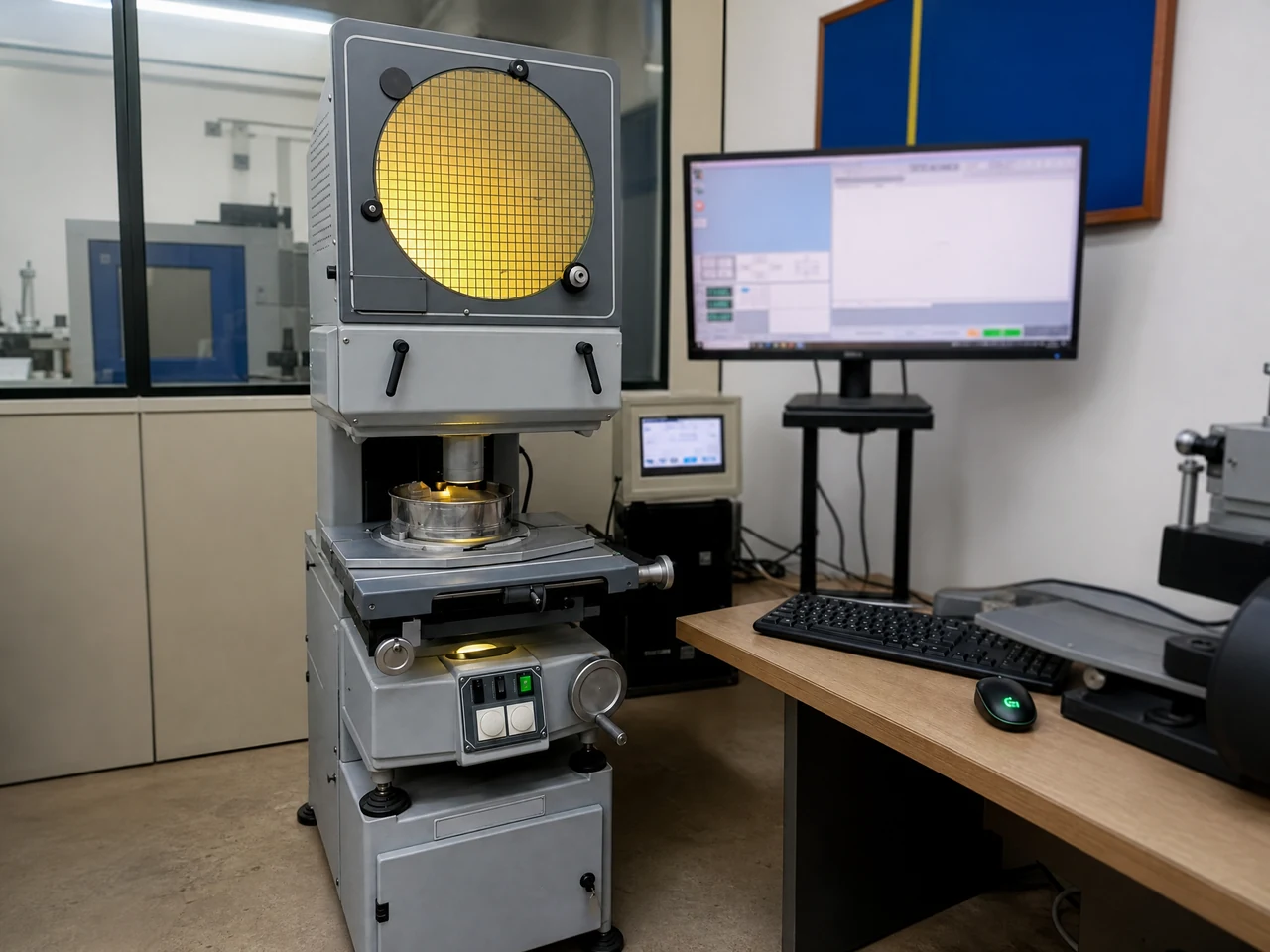
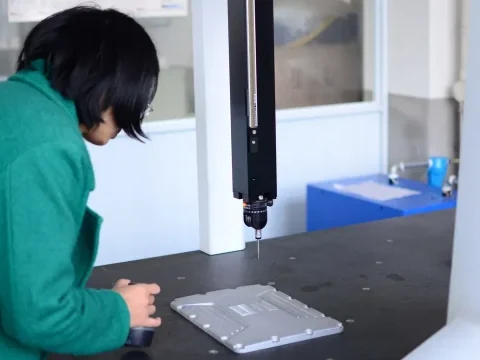
Optical measuring instrument verifying a precision component
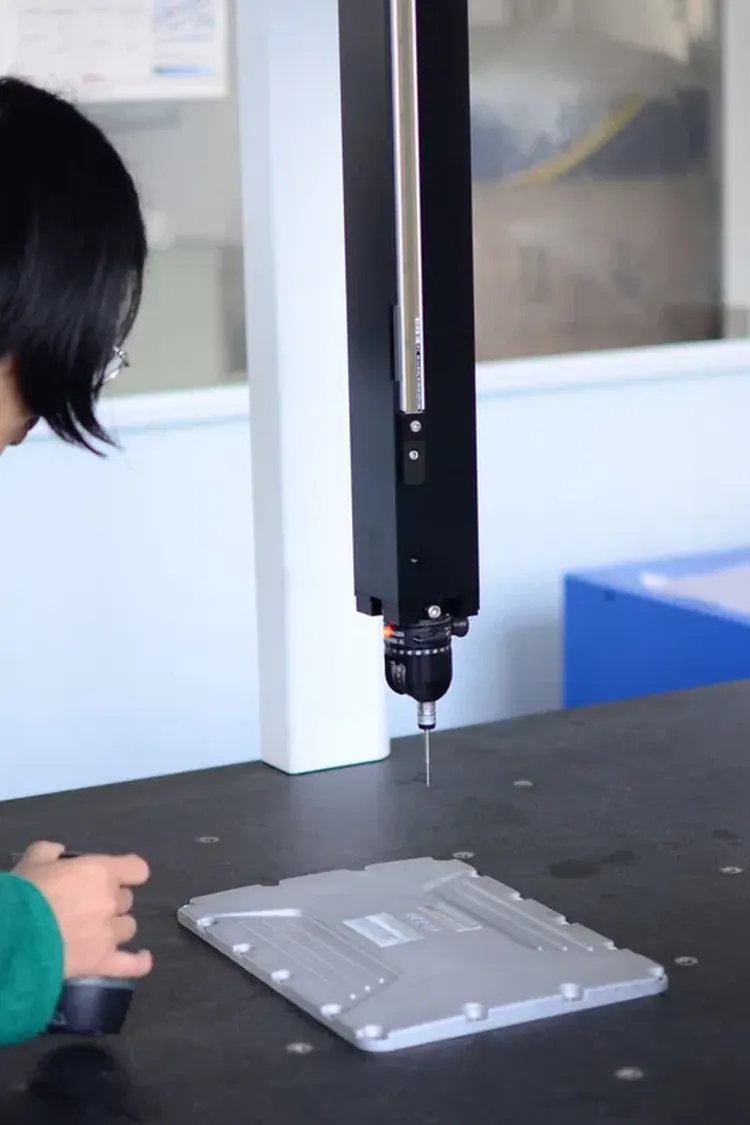
Quality engineer operating a CMM coordinate measuring machine
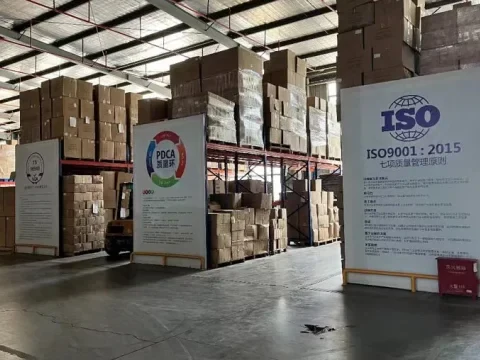
ISO 9001:2015 certified warehouse and quality management boards
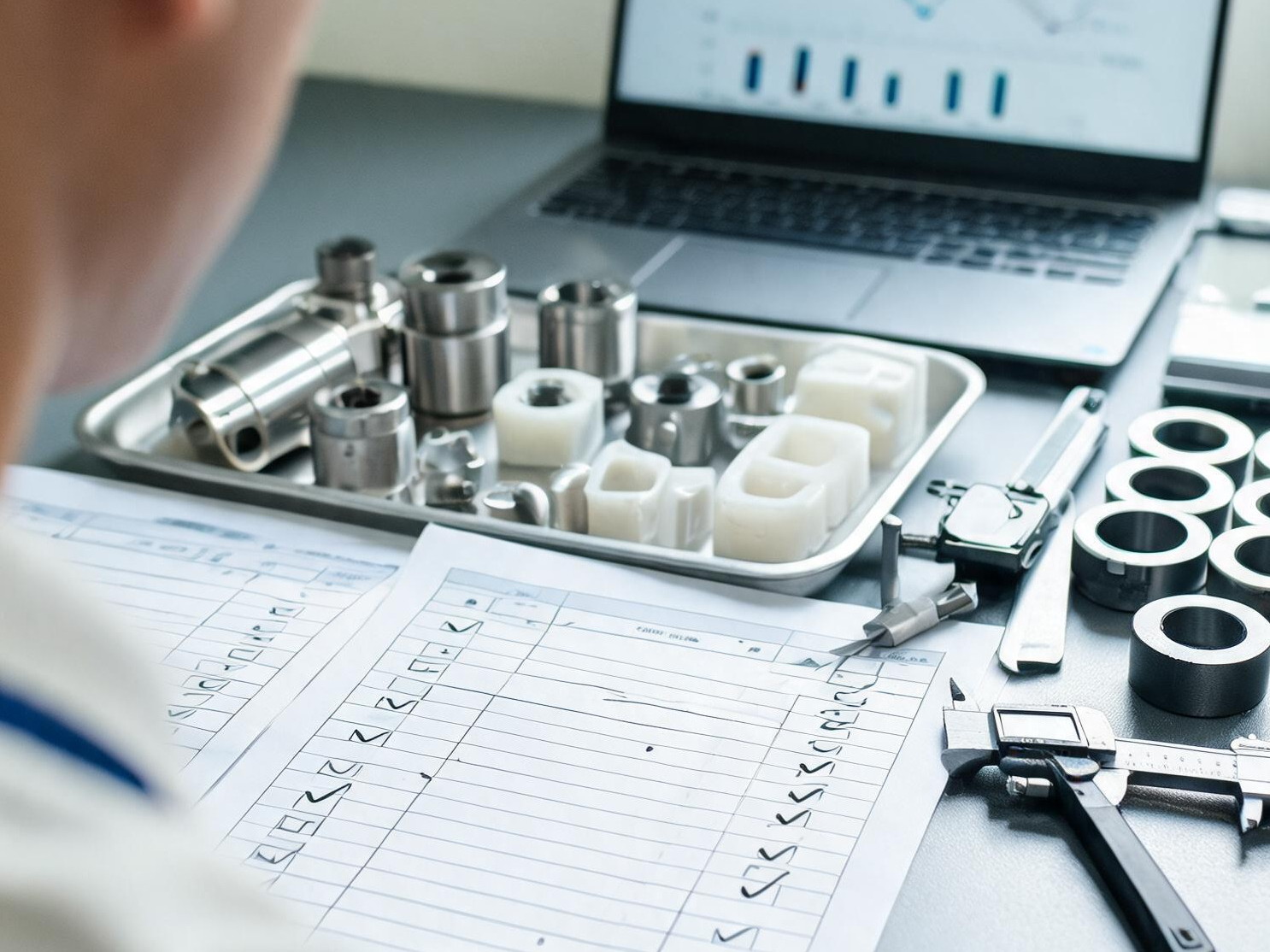
First article inspection report with measured parts and calipers

Precision CNC Milling, Inspected and Documented

Every milled part is measured against the drawing. Our process holds a 90% first-pass yield across prototype and production orders, and nonconforming parts are caught before they leave the shop.
Documentation

Milled parts run through incoming material checks, first-article inspection, and in-process patrol checks. On request, orders ship with material test reports and CMM or gauge inspection data.

Expertise

30+ quality engineers and 20+ inspection tool types—CMMs, optical measuring systems, and material analyzers—check milled parts against the dimensions and finish callouts on your drawing.

Transparent Process

Material test reports, setup sheets, and final inspection records stay with each job. Lot history is traceable and order status is available throughout the run.

Send your drawing for a quote. Engineering reviews tolerances and tooling before production, and inspection reports are available with every shipment.

Get Instant Quote

What Makes IDEAL PRO Manufacturing a Top Choice for CNC Milling

Beyond the machines, every milling job gets DFM feedback, a written inspection plan, and one engineering contact from quote through shipment. The process is the same for prototype and production orders, so scaling a validated part does not mean starting over.

High Precision Components
01

High‑Precision Components

Milled features hold tolerances as tight as ±0.01 mm where the drawing requires, so mating parts fit and assemblies go together without rework.

Fast Lead Time
02

Reliable Fast‑Track Lead Times

We help you move at speed. Operating from our modern workshops, we optimize workflows to deliver quick‑turn parts, often within one day, so your projects stay ahead of schedule.

Engineering Support
03

Dedicated Engineering Support

One engineering contact stays with the job from quote to shipment—DFM feedback, material selection, and status updates included—so questions go to someone who has seen the part.

Ready to get started?Start Your Project Now

How CNC Milling Transforms Your Design into Reality

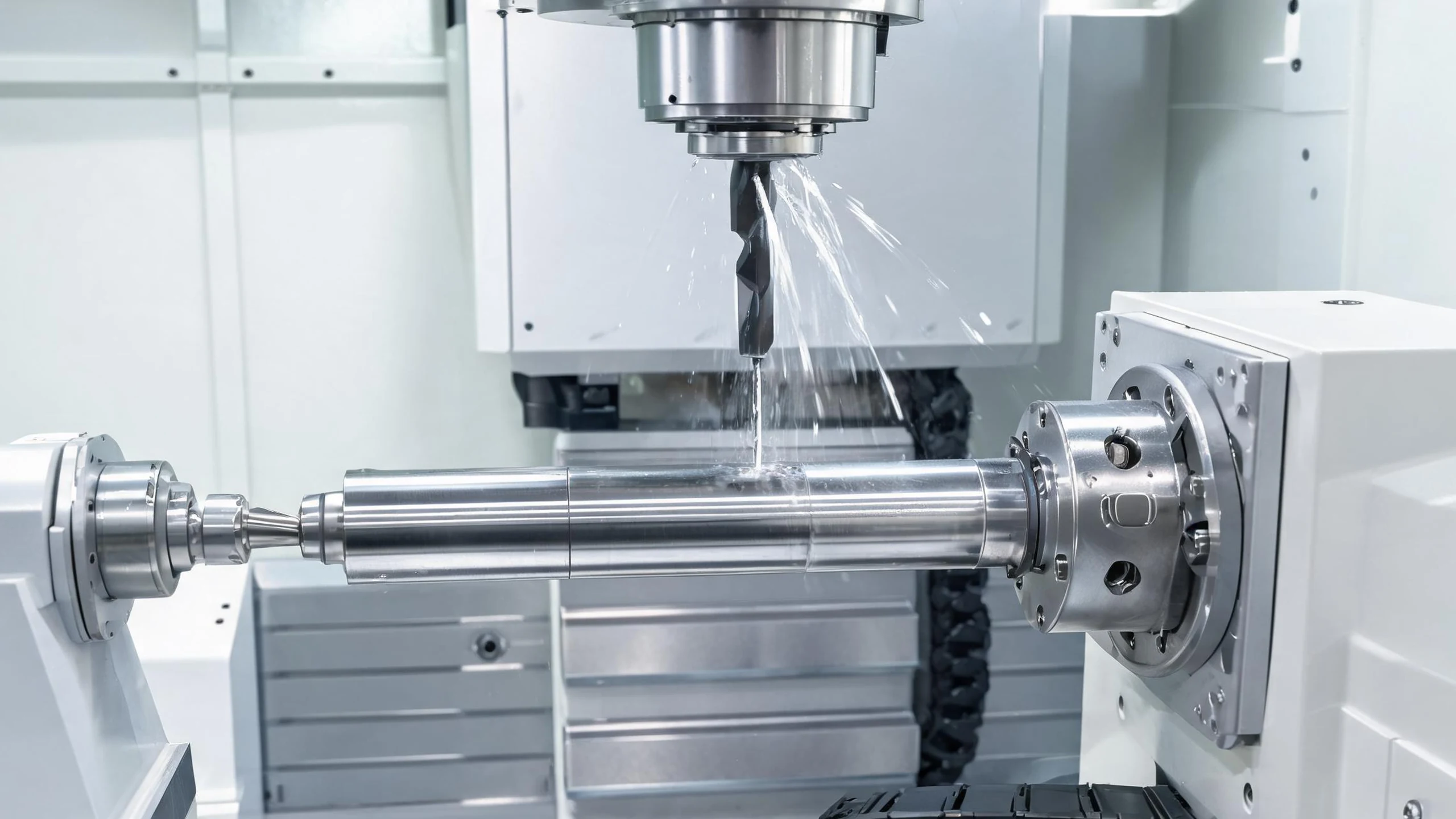
CNC milling is a precise, automated manufacturing process that turns your digital design into a finished part by removing material with rotating cutting tools. It starts with your 3D CAD model, which is converted into step‑by‑step machine instructions. These commands guide the cutting tool along precise paths to shape the raw material into the exact geometry you need, ensuring high repeatability and tight tolerances for both prototypes and production runs.

From 3‑Axis to Multi‑Axis Machining

  • 3‑Axis milling moves the tool along the X, Y, and Z axes, suitable for most prismatic parts.
  • 4‑Axis milling adds a rotating movement, allowing machining on multiple sides in one setup.
  • 5‑Axis milling enables simultaneous motion along five axes, ideal for complex contours, undercuts, and sculpted surfaces.

This flexibility makes CNC milling essential across industries—from aerospace and automotive to medical devices and consumer electronics—where precision, complexity, and reliability are non‑negotiable.

How CNC Milling Transforms Your Design into Reality
ADVANTAGES

Where CNC Milling Earns Its Place in Production

CNC milling offers numerous advantages for manufacturing:

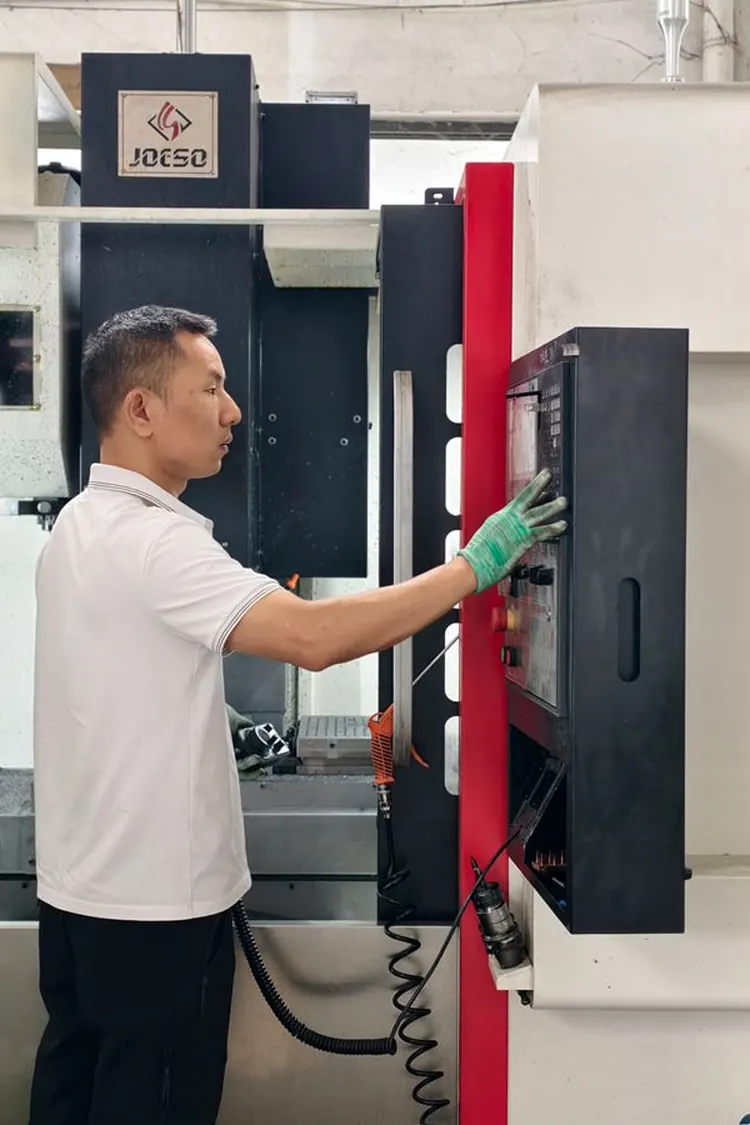
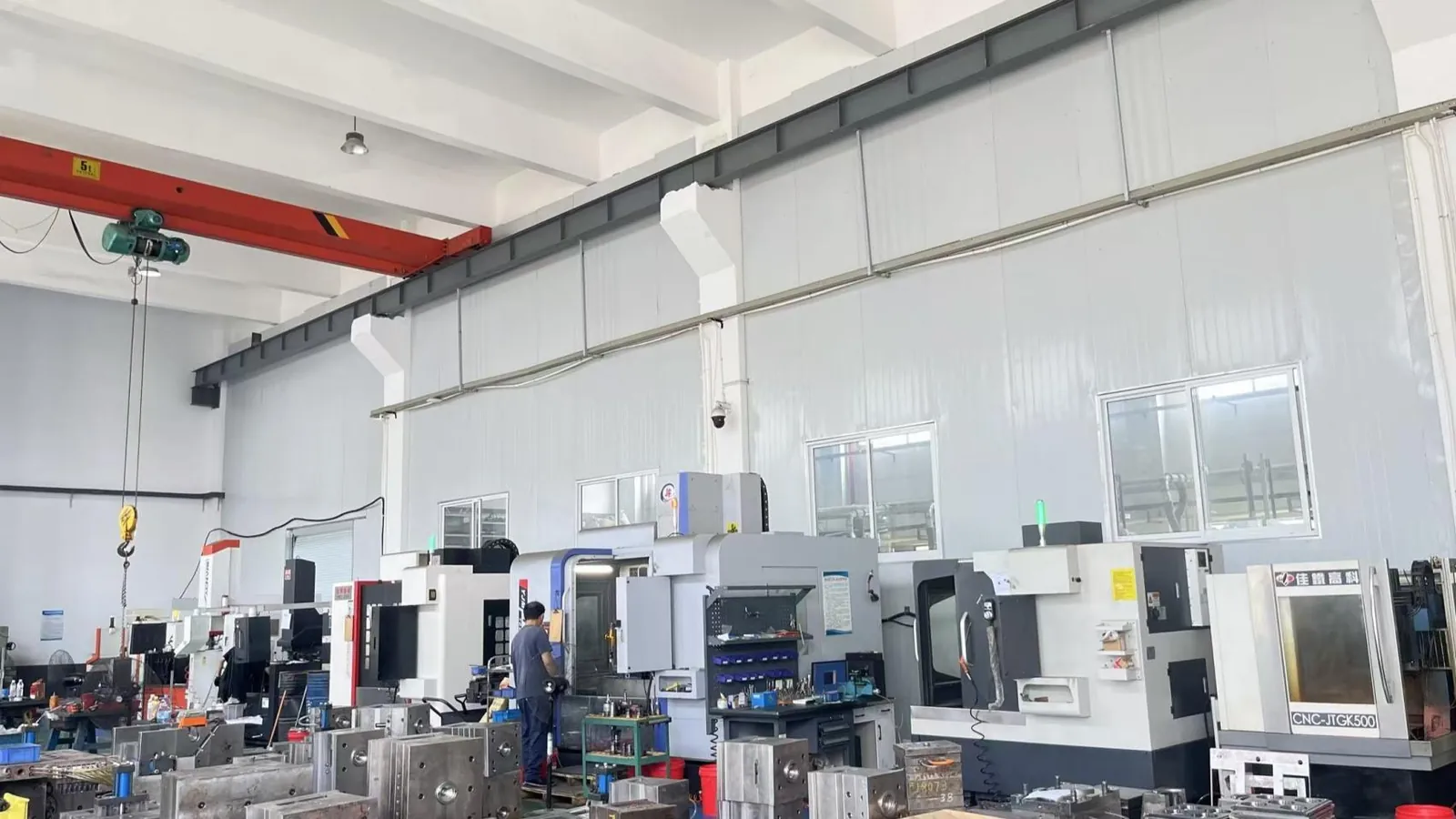
CNC milling production floor
  • Precision & Repeatability: Achieve tight tolerances and consistent quality across every unit, eliminating fit issues and reducing assembly rejects.

  • Complex Geometry Capacity: Machine intricate contours, deep cavities, and multi-axis features unreachable with conventional methods, unlocking advanced design possibilities.

  • Material & Application Flexibility: Process a wide range of metals, plastics, and composites, making it suitable for prototypes, tools, and end-use components across industries.

  • Efficiency at Scale: Lights-out milling on palleted machines keeps high-volume jobs running through the night without losing tolerance control.

  • Cost-Effective Production: Optimize material use, minimize waste, and reduce manual labor—lowering per-part costs especially in mid to high volumes.

  • Integrated Quality & Safety: Automated loaders and in-process probing reduce handling mistakes and keep operators away from chips and coolant, while finished parts are checked against specification.

APPLICATIONS

Where CNC Milling Excels Across Industries

CNC milling covers functional prototypes, tooling, and production parts in one process. The same machine holds tight tolerances, cuts complex geometry, and repeats across batches, which is why it is standard across aerospace, medical, automotive, and industrial work.

Engine & Powertrain Components

Manufacture high-strength blocks, heads, and housings that withstand extreme temperatures and pressures in automotive and aerospace systems.

Precision Gears & Transmission Parts

Splines, shafts, and gear profiles milled to close tolerances for quiet, even power transfer.

Medical Implants & Instruments

Patient-specific implants and surgical tools machined from biocompatible grades, with surface finish and documentation requirements supplied by the customer.

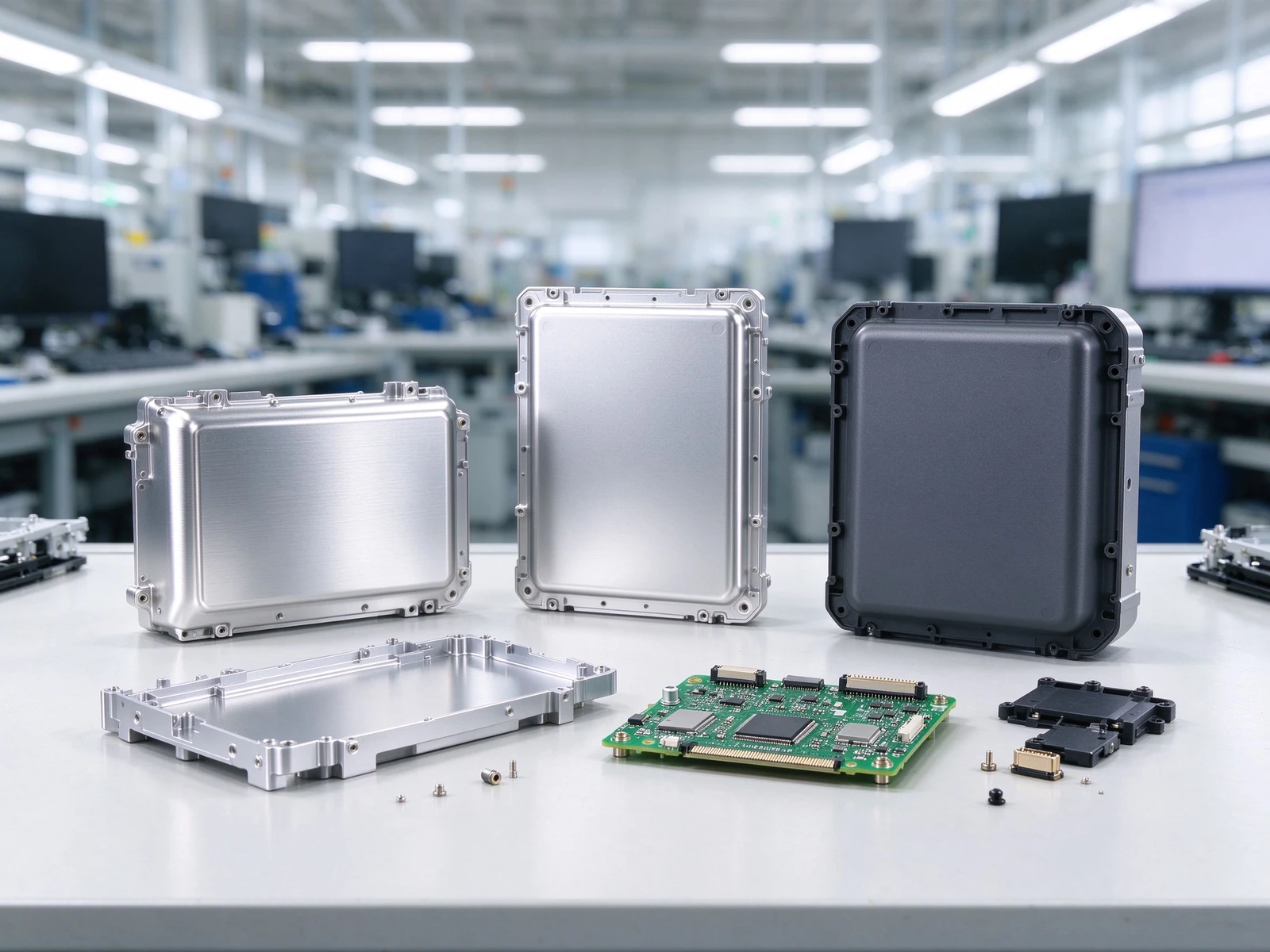
Electronics Enclosures & Housings

Machine lightweight, EMI-shielding, or thermally conductive casings that protect sensitive circuitry and support compact designs.

Functional Prototypes & Custom Parts

Iterate quickly with high-fidelity prototypes that test form, fit, and function before committing to production tooling.

Molds, Dies & Tooling

Produce durable, high-precision mold cores, cavities, and cutting fixtures that ensure consistent output in downstream processes.

Aerospace & Defense Components

Machined from aluminum and titanium alloys, these brackets and mounts hold tight positional tolerances, with material and inspection records available on request.

CNC Milling Services Latest News

Stay updated with the latest news and announcements from IDEAL PRO Manufacturing. Explore our latest articles below.

Our floor runs 3‑axis, 4‑axis, and 5‑axis milling centers, and scheduling assigns each job to the simplest machine that can hold the drawing. Prismatic parts go to 3-axis cells; contoured, multi-face work goes to 4- or 5-axis machines that cut in one setup. Fewer repositionings means shorter lead times and less stack-up error across batches.

Precision milling for prototypes and production, for parts up to 1000 × 500 × 500 mm and tolerances down to ±0.01 mm, across a wide material range with the surface finishes listed earlier. The same process and inspection plan run on single parts and volumes above 10,000. Custom fixturing is built in-house for fragile or irregular workpieces so difficult geometries still hold tolerance.

CNC milling uses a rotating cutting tool to remove material from a stationary workpiece, ideal for complex, prismatic shapes. CNC turning rotates the workpiece against a stationary tool, best for creating cylindrical or conical parts like shafts and bushings. The processes are complementary and can be combined for complex components. Many of our customers use both services in tandem—for example, a turned shaft with milled flats or grooves—to streamline sourcing and maintain quality across the assembly.

CNC milling is designed for high‑precision, high‑force cutting of metals and engineering plastics, achieving tighter tolerances. CNC routing is typically used for faster, larger‑format cutting of softer materials like wood, plastics, and composites, often with a focus on sheet goods. If your project involves thin‑wall aluminum or delicate plastics, our milling process provides better edge quality and dimensional control than routing, reducing the risk of distortion or tear‑out.

For internal corners, we typically apply a default fillet radius equal to the tool diameter used in that area. If your design has specific strength or aesthetic requirements, we strongly recommend specifying exact radii to ensure the part meets your exact expectations. Including fillet call‑outs in your drawing also helps us select the most efficient tooling strategy, which can lower machining time and cost.

In vertical milling, the spindle is oriented vertically; it's common and excellent for most 2.5D and 3D work. In horizontal milling, the spindle is horizontal, offering better chip evacuation and stability for deep pockets and heavy cutting, often used in high‑volume production. We deploy horizontal mills for parts requiring deep cavities or multiple sides machined in one setup, as it reduces handling and improves feature‑to‑feature accuracy.

Tool offset is a numerical value programmed into the CNC machine to account for the precise geometry and wear of each cutting tool. It ensures the tool follows the correct path, which is critical for maintaining part dimensions and achieving specified tolerances. Our operators regularly calibrate and update tool offsets throughout a production run, so part consistency is maintained even over long batches.

5‑axis machining allows the cutting tool to move linearly along X, Y, and Z axes while the workpiece or tool holder also rotates on two additional axes. This enables the machining of highly complex geometries in a single setup, reducing time and improving accuracy for parts like impellers, molds, and aerospace components. By minimizing re‑fixturing, 5‑axis milling also reduces cumulative tolerance stack‑up, giving you tighter overall part accuracy.

We machine a broad spectrum of materials, including a wide variety of metals (aluminum, steel, titanium, brass) and plastics (ABS, PC, PEEK, Nylon). Our team can advise on the best material for your application based on strength, weight, thermal properties, and cost requirements. We also keep a stock of common grades for rapid prototyping, so you can get parts faster without compromising material performance.

Upload your design files

and start production immediately

Get Instant Quote